
 |
|
|
|
|




















By Dr. A. Sajidas,
Founder and Managing Director of
BIOTECH INDIA Renewable Energy
& International Consultant – Biogas, Organic Waste Management
& Sustainable Development
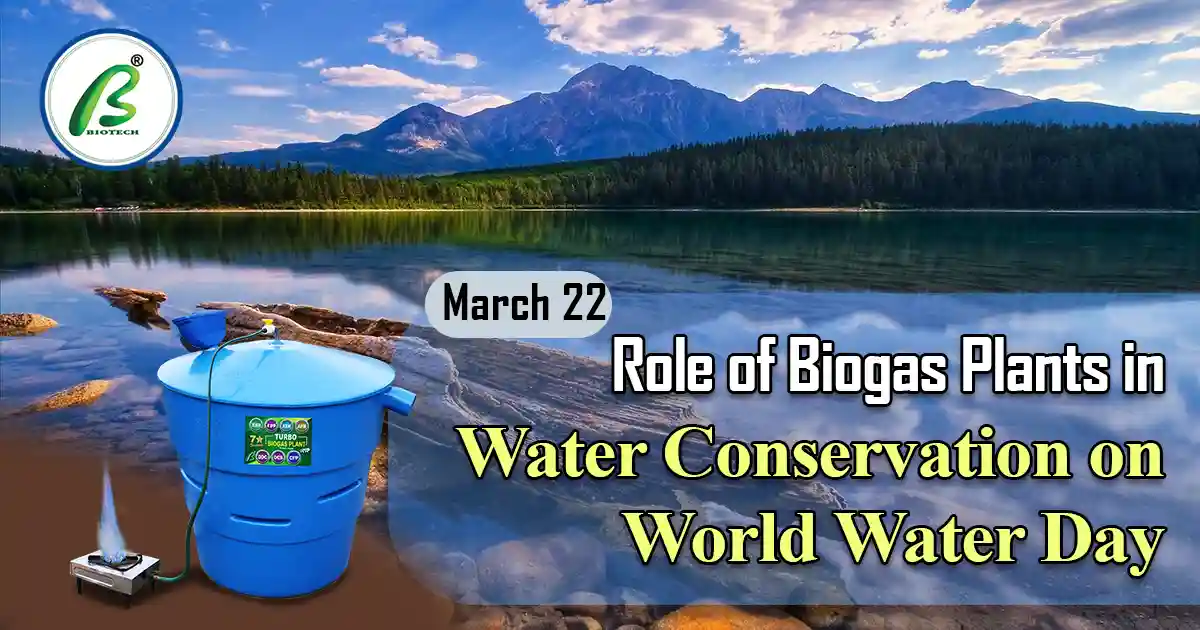
Water is the foundation of life, development, and sustainability. As the world observes World Water Day, the focus extends beyond just saving water—it emphasizes protecting water quality, ensuring equitable access, and adopting sustainable technologies. Among the most impactful solutions contributing to water conservation and environmental protection are biogas plants, groundwater recharge systems, and decentralized innovations promoted by organizations like BIOTECH INDIA.
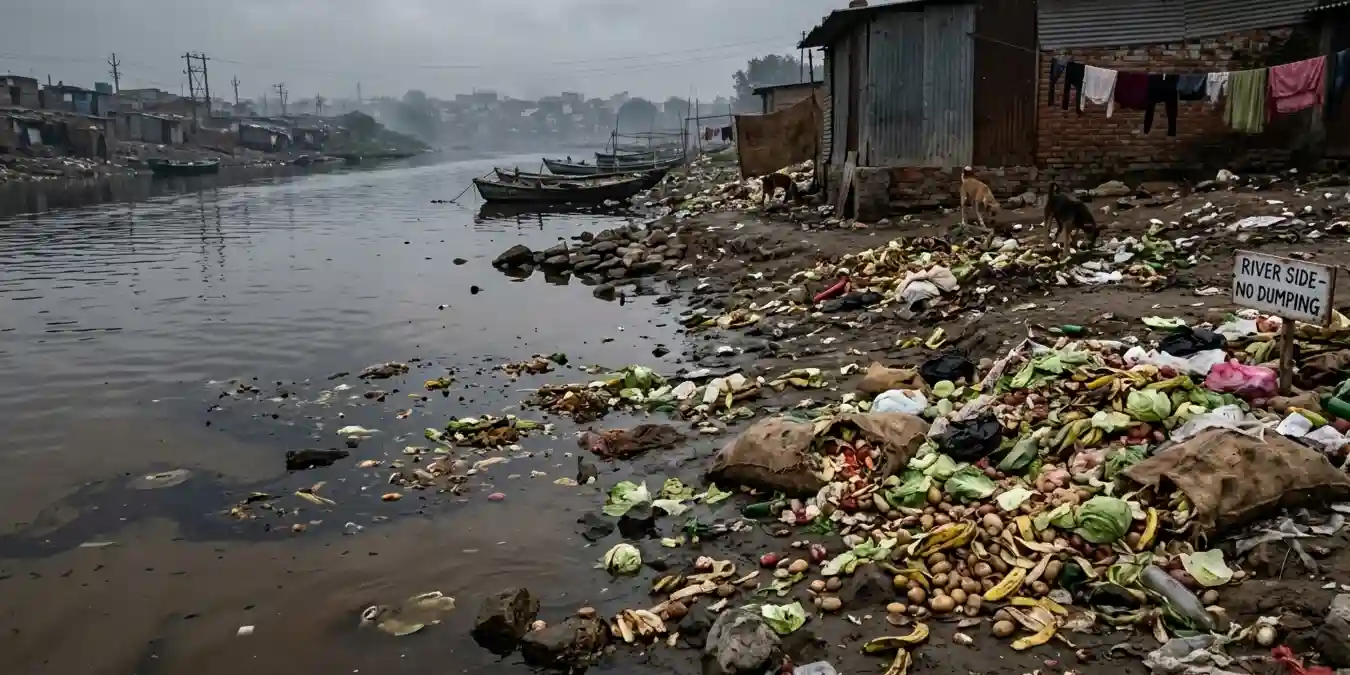
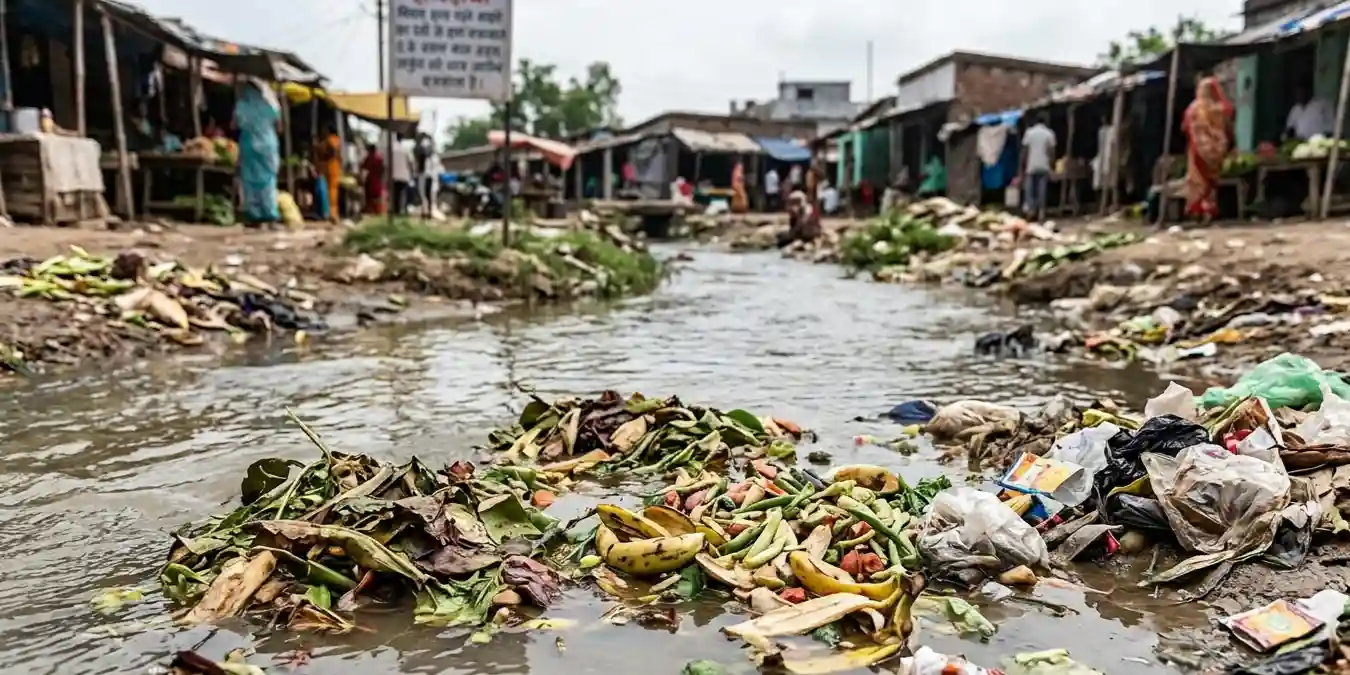
Global water resources are under severe stress due to population growth, urbanization, industrialization, and climate change. Freshwater sources are increasingly polluted by untreated waste, while excessive groundwater extraction is leading to depletion of aquifers. This dual challenge-quantity and quality—makes water conservation a global priority aligned with the vision of the United Nations and its Sustainable Development Goals (SDG 6: Clean Water and Sanitation).
World Water Day serves as a reminder that solutions must be practical, scalable, and community-driven. Technologies like biogas plants and rainwater harvesting systems are not just environmental tools—they are essential for survival.
Biogas plants are widely recognized for producing renewable energy, but their role in water conservation is equally significant and often overlooked.
1. Hygienic Treatment of Organic Waste
One of the primary environmental benefits of biogas plants is the scientific treatment of organic waste such as food waste, animal manure, and sewage. When waste is left untreated, it contaminates nearby water bodies and groundwater through leaching and runoff. Biogas technology prevents this by processing waste in a controlled anaerobic environment.
2. Prevention of Water Pollution
Unmanaged organic waste is one of the major causes of water pollution. Biogas plants eliminate this risk by converting waste into useful products—biogas and digestate. This process prevents harmful substances from entering rivers, lakes, and groundwater systems.
3. Wastewater Treatment and Resource Recovery
Modern biogas systems are increasingly integrated with wastewater treatment processes. They not only generate energy but also treat wastewater, making it reusable for irrigation and other purposes. This reduces the demand for freshwater resources and promotes circular water use.
Such systems transform waste into valuable resources, contributing to sustainable water management and reducing environmental burden.
4. Contribution to Sustainable Agriculture
The digestate produced from biogas plants is a nutrient-rich organic fertilizer. Unlike chemical fertilizers, it enhances soil structure and water retention capacity. Improved soil health reduces irrigation requirements and minimizes water wastage.
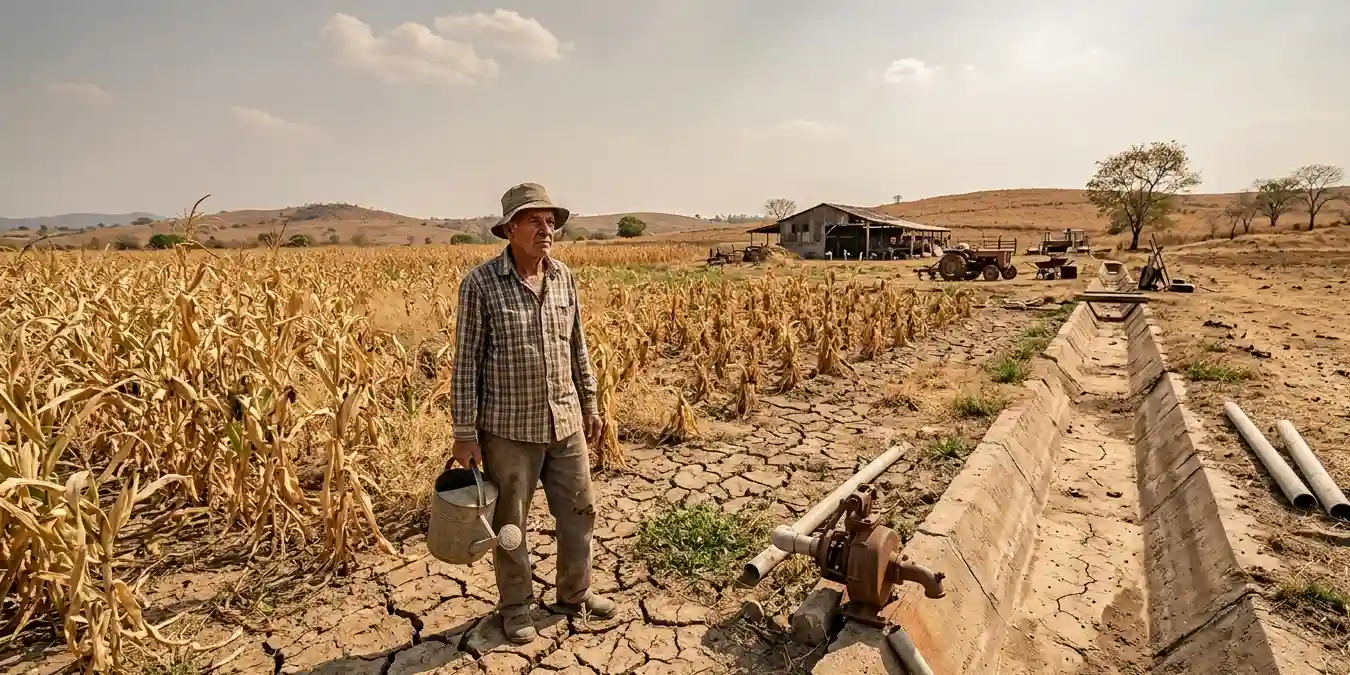
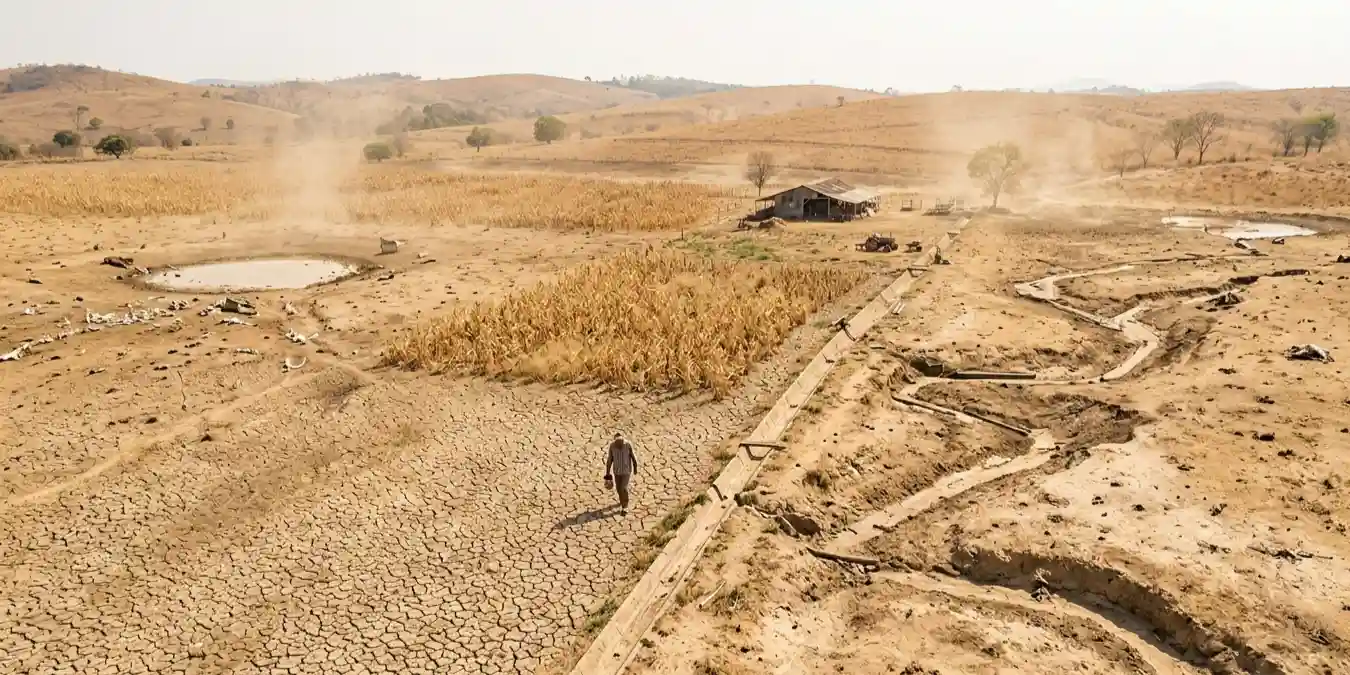
Groundwater is one of the most important sources of freshwater, especially in countries like India. However, over-extraction and poor recharge practices have led to alarming depletion levels.
Without proper recharge mechanisms, aquifers continue to decline, leading to water shortages, agricultural stress, and ecological imbalance.
1. Enhancing Water Availability
Groundwater recharge helps replenish aquifers, ensuring a continuous supply of water for domestic, agricultural, and industrial use. It stabilizes water tables and supports sustainable development.
2. Mitigating Water Scarcity
Recharge systems store excess rainwater during monsoons and make it available during dry seasons. This is particularly important in regions experiencing irregular rainfall patterns.
Rainwater harvesting through recharge pits is one of the simplest and most effective methods to conserve water.
Recharge pits collect rainwater from rooftops, roads, and open spaces and allow it to percolate into the ground. This decentralized approach ensures that water is conserved where it falls.
Key benefits include:
⬥ Reduction in surface runoff and flooding
⬥ Increased groundwater levels
⬥ Improved availability of water in wells and boreholes
⬥ Reduced dependency on external water sources
The true potential of sustainability lies in integrating multiple solutions. Biogas plants and rainwater harvesting systems complement each other in several ways:
⬥ Biogas plants treat organic waste, preventing water pollution
⬥ Rainwater harvesting systems recharge groundwater
⬥ Treated wastewater from biogas systems can be reused
⬥ Digestate improves soil moisture retention
Together, they create a holistic ecosystem for water conservation, waste management, and renewable energy generation.
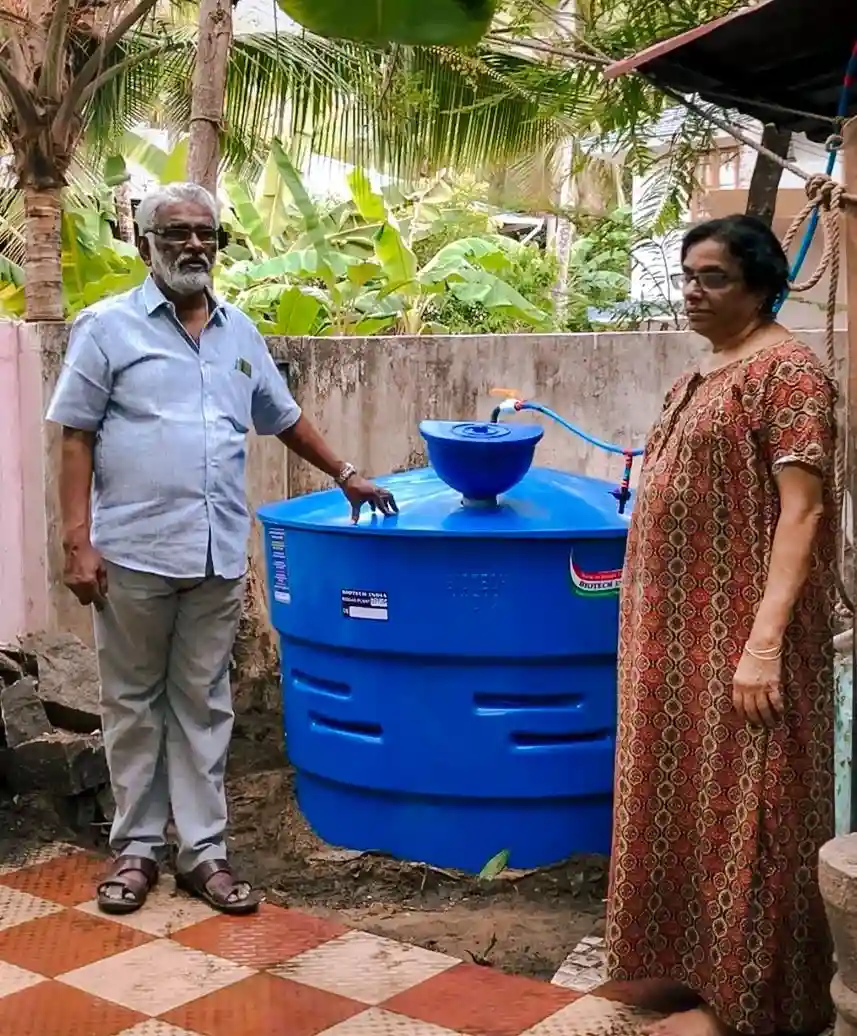
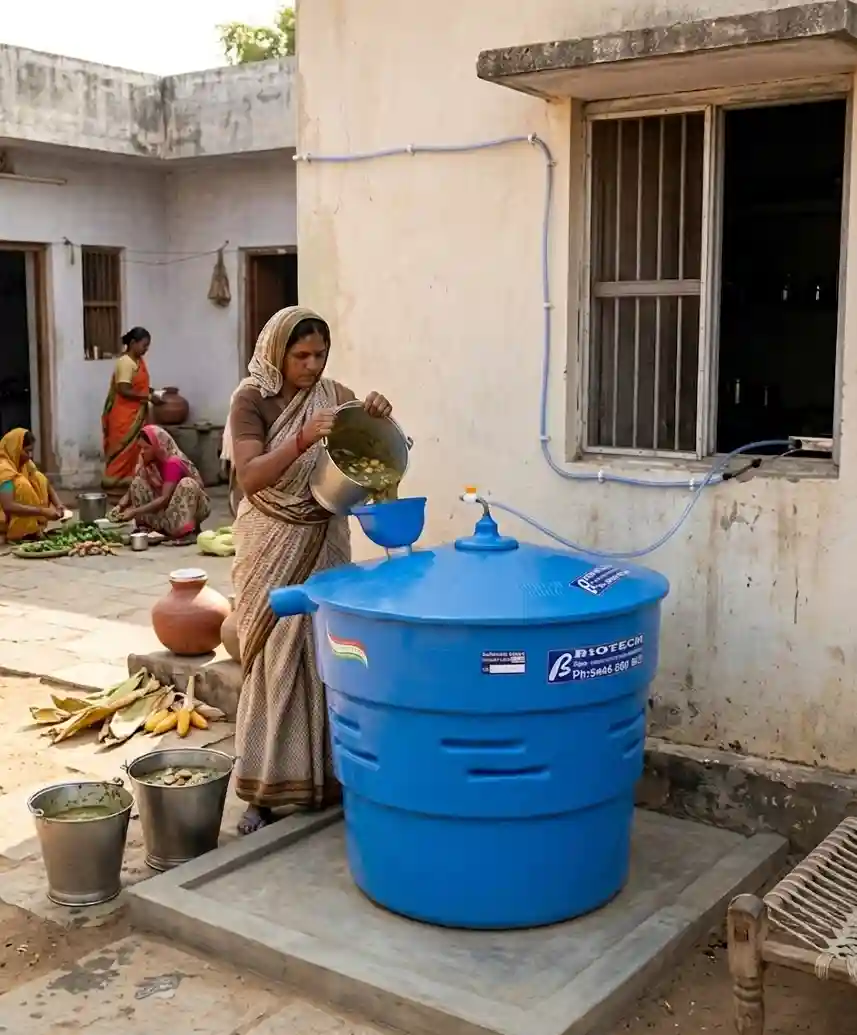
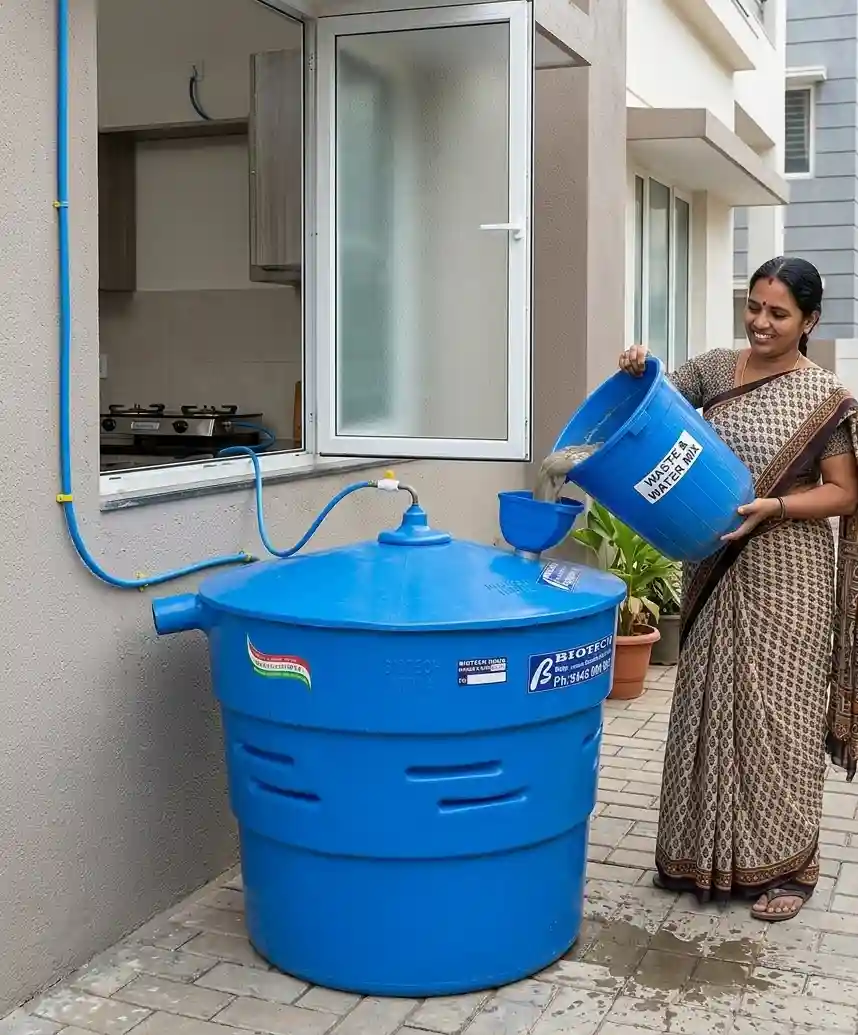
BIOTECH INDIA has been at the forefront of promoting decentralized biogas solutions across urban and rural sectors. With a vision of transforming every household and institution into a self-reliant energy and waste management unit, the organization has made significant contributions in the field.
1. Innovation in Biogas Technology
BIOTECH INDIA has developed prefabricated, portable biogas plants that are compact, user-friendly, and suitable for diverse applications. These systems enable households, schools, hotels, and institutions to convert organic waste into clean cooking gas and organic manure.
2. Promoting Decentralized Waste Management
By encouraging on-site waste treatment, BIOTECH INDIA reduces the burden on municipal waste systems and prevents environmental pollution. This directly contributes to protecting water bodies from contamination.
3. Supporting Water Conservation
The organization's biogas solutions ensure hygienic disposal of organic waste, thereby safeguarding groundwater and surface water from pollution. Additionally, integration with water conservation practices enhances overall sustainability.
4. Capacity Building and Awareness
Through training programs, technical support, and awareness campaigns, BIOTECH INDIA empowers communities to adopt sustainable technologies. Their efforts align with global sustainability goals and contribute to climate change mitigation.
5. Driving Circular Economy
BIOTECH INDIA promotes a circular economy where waste is converted into valuable resources-energy and fertilizer-reducing environmental impact and enhancing resource efficiency.
World Water Day is not just a celebration—it is a call to action. The challenges of water scarcity and pollution require collective efforts from individuals, communities, industries, and governments.
Key actions include:
⬥ Adopting biogas technology for waste management
⬥ Installing rainwater harvesting and recharge systems
⬥ Reducing water wastage in daily life
⬥ Promoting sustainable agricultural practices
⬥ Supporting organizations working towards environmental sustainability
Water is life, and its conservation is the responsibility of every individual. Biogas plants play a crucial role in protecting water resources by ensuring hygienic waste treatment and preventing pollution. Groundwater recharge systems, especially rain pits, are essential for sustaining water availability in the long term.
Organizations like BIOTECH INDIA are leading the way by promoting innovative and practical solutions that integrate waste management, renewable energy, and water conservation.
On this World Water Day, let us commit to adopting sustainable practices and technologies. By combining biogas solutions with groundwater recharge initiatives, we can build a resilient, water-secure, and sustainable future for generations to come.
Telephone: +91-471-2331909, 2321909, 2332179
E-mail: mailtobiotech@gmail.com


Ernakulam (Cochin)
Telephone: +91-484-4858695
E-mail: mailtobiotech@gmail.com

Kozhikode (Calicut)
Mob : +91-9446-000-962
E-mail: mailtobiotech@gmail.com

Telangana
Telephone: +91 40 29330078 , +919446000968
E-mail: gtp.nird@gmail.com



All rights are reserved. Biotech Renewable Energy Pvt. Ltd.