
 |
|
|
|
|





















By Dr. A. Sajidas,
Founder and Managing Director of
BIOTECH INDIA
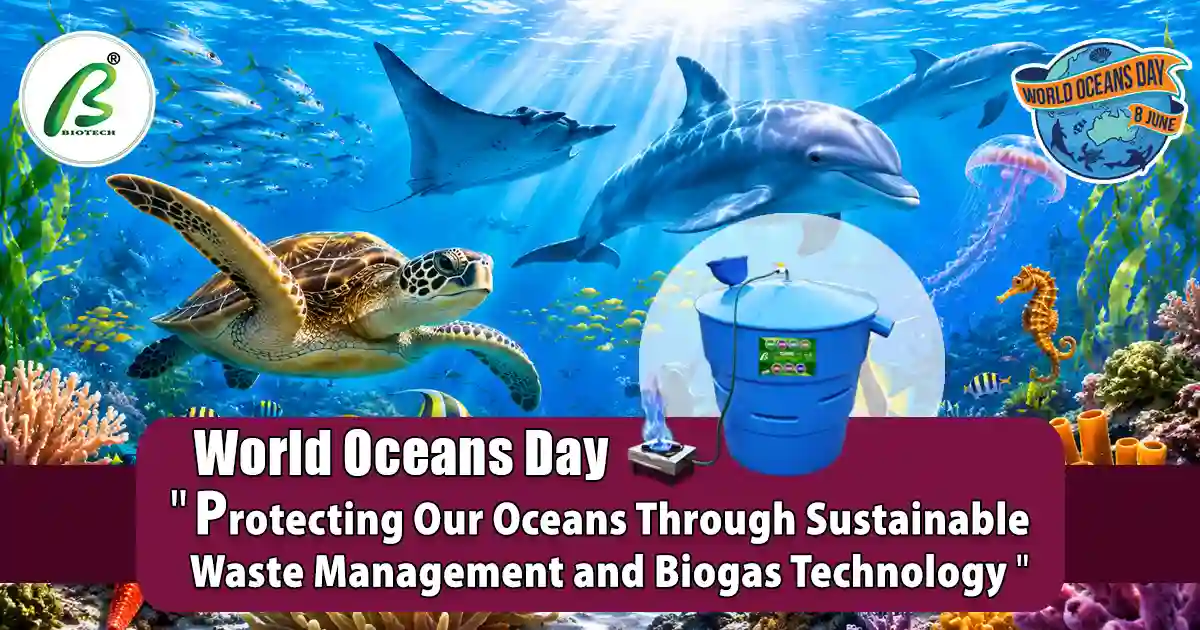
Every year on June 8, the world celebrates World Oceans Day, a global observance dedicated to raising awareness about the importance of oceans and encouraging actions that protect marine ecosystems. The theme, "Reimagine: Beyond the World We Know, A New Relationship with our Ocean," reminds us that safeguarding our oceans requires innovative thinking and responsible actions from individuals, communities, institutions, and industries.
Oceans cover more than 70 percent of the Earth's surface and play a vital role in sustaining life on our planet. They regulate climate, generate oxygen, support biodiversity, provide food, and contribute significantly to the global economy. However, despite their importance, oceans are under increasing pressure from pollution, climate change, and unsustainable waste management practices.
Among the various environmental challenges facing oceans today, plastic pollution has become one of the most alarming.
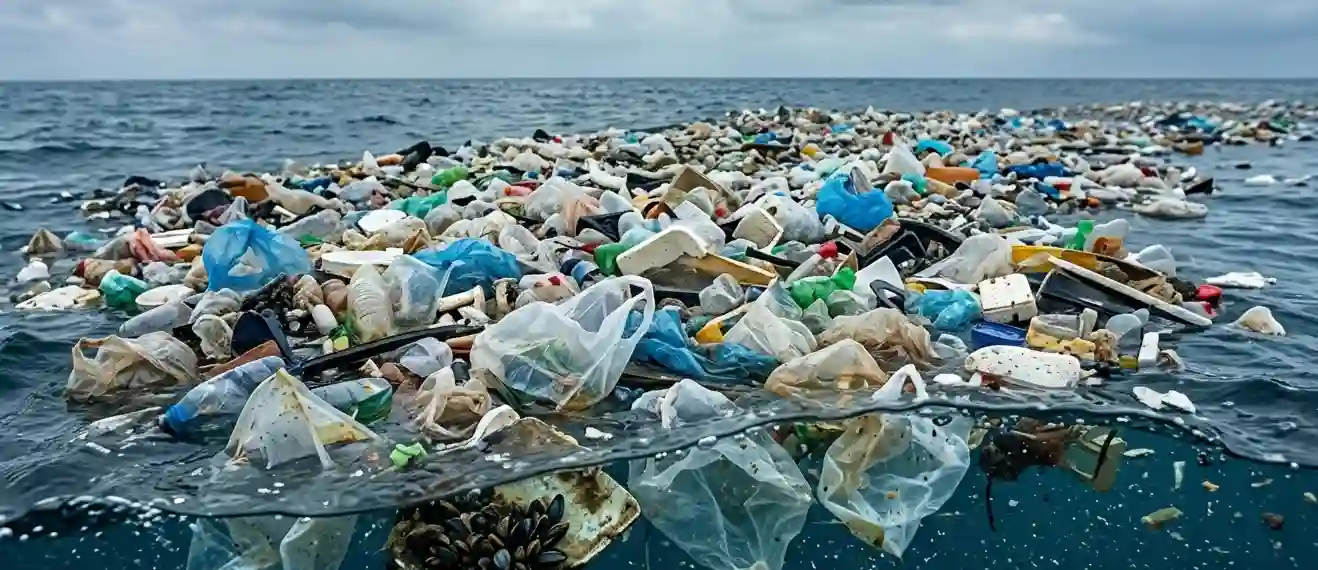
Millions of tonnes of plastic waste enter oceans every year. A significant portion originates from daily household activities. One common practice is the collection of kitchen waste and food leftovers in plastic carry bags before disposal.
These plastic bags often find their way into drains, rivers, canals, lakes, and other water bodies. During heavy rains and floods, they are carried into the sea, where they persist for decades. Unlike organic materials, plastic does not decompose naturally. Instead, it breaks down into tiny particles known as microplastics.
Microplastics have emerged as a serious environmental and public health concern. These tiny particles are consumed by plankton, marine plants, shellfish, and small fish. As larger fish feed on smaller organisms, microplastics move through the marine food chain.
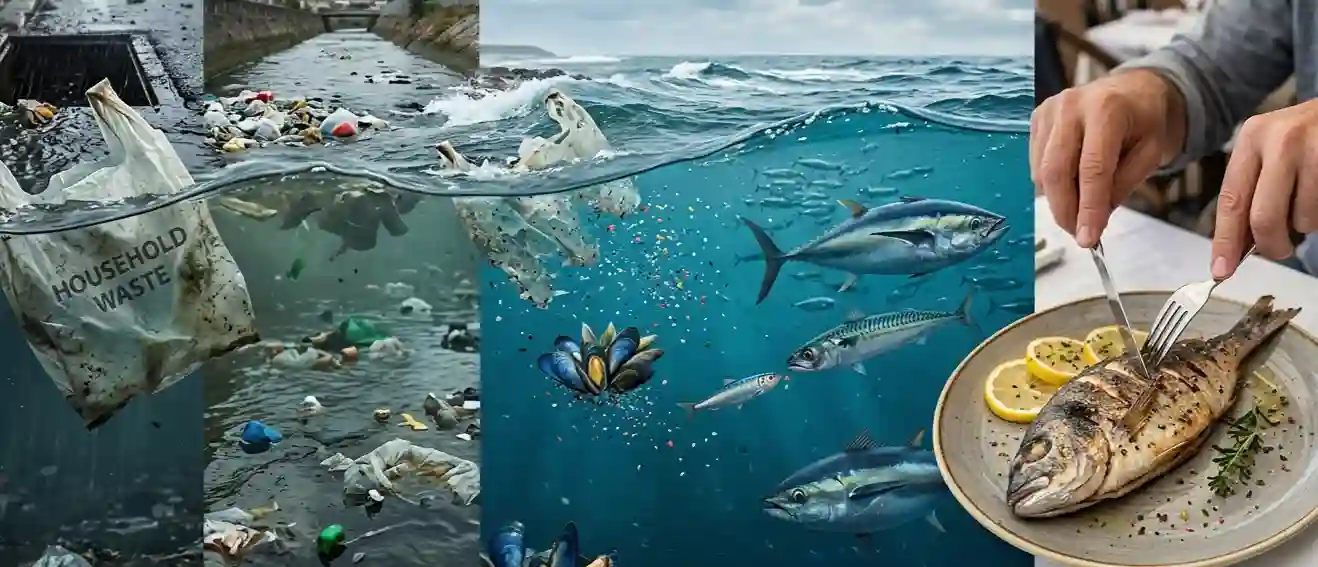
Eventually, these contaminated fish and seafood are consumed by humans. Researchers have already detected microplastics in human blood, lungs, and other tissues. Although research is continuing, there is growing concern regarding the long-term health effects of microplastic exposure. The journey of a discarded plastic bag often ends in the ocean and may ultimately return to our dining table through the food chain.
While beach cleanups and ocean conservation campaigns are important, long-term solutions require addressing pollution at its source. One of the most effective approaches is improving the way we manage organic waste.
Food waste and kitchen waste account for a major portion of household waste generation. When these materials are collected in plastic bags and transported to dumping sites, they create multiple environmental problems.
A sustainable alternative is to process organic waste where it is generated through decentralized biogas plants.
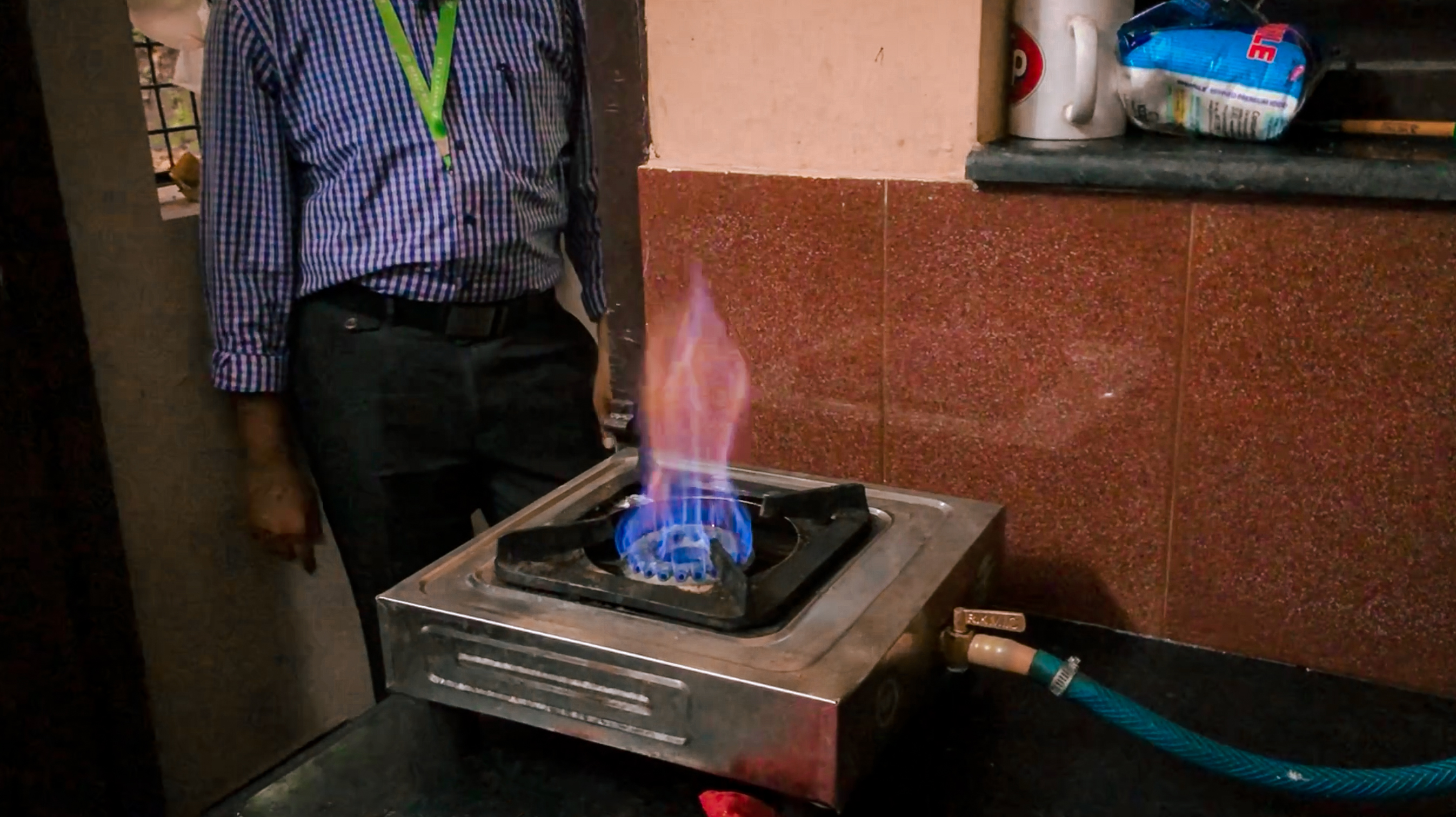
Biogas technology transforms biodegradable waste into valuable resources through a natural anaerobic digestion process. Kitchen waste, vegetable residues, food leftovers, and other organic materials are converted into biogas and nutrient-rich organic manure.
Instead of becoming an environmental burden, waste becomes a valuable resource.
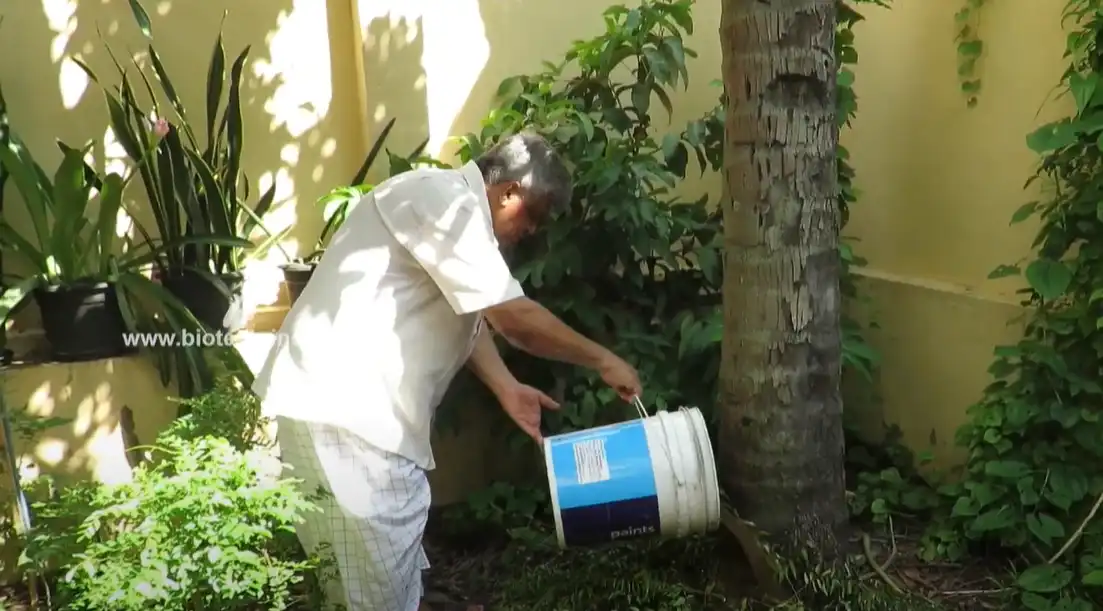
Biogas plants offer several environmental benefits:
• Reduce dependence on plastic carry bags for waste collection.
• Prevent organic waste from entering water bodies.
• Minimize pollution caused by open dumping.
• Generate clean and renewable cooking gas.
• Produce high-quality organic fertilizer.
• Reduce greenhouse gas emissions.
• Promote decentralized waste management.
• Support climate change mitigation.
• Encourage circular economy practices.
• Improve sanitation and environmental sustainability.
By processing organic waste at the source, households and institutions can significantly reduce the amount of waste requiring transportation and disposal. This directly contributes to reducing plastic pollution and protecting marine ecosystems.
At first glance, biogas plants and ocean conservation may appear unrelated. However, they are closely connected through waste management.
Every plastic carry bag eliminated from waste collection is one less item that may enter the environment. Every kilogram of food waste processed through a biogas plant is one kilogram less waste sent to dumping yards.
When communities adopt decentralized organic waste treatment systems, fewer plastics enter drainage systems and waterways. This reduces the volume of plastic waste reaching rivers and eventually oceans.
Biogas technology therefore contributes not only to renewable energy generation but also to marine pollution prevention.
Protecting oceans begins far away from the coastline. It starts in our kitchens, schools, institutions, hotels, restaurants, and communities.
For more than three decades, BIOTECH INDIA has been promoting sustainable waste management and renewable energy solutions through innovative biogas technologies.
The organization has been instrumental in designing, developing, and popularizing user-friendly portable biogas plants suitable for households, institutions, schools, hostels, hotels, and community applications.
The portable biogas plants developed by BIOTECH INDIA are compact, durable, cost-effective, and easy to install. They require minimal space and can even be installed above ground or on rooftops, making them highly suitable for urban environments where space is limited.
These systems help users convert daily kitchen waste into clean cooking gas and organic manure while reducing environmental pollution.
Over the years, BIOTECH INDIA has successfully installed thousands of biogas plants across different regions, helping families and institutions adopt decentralized waste management practices.
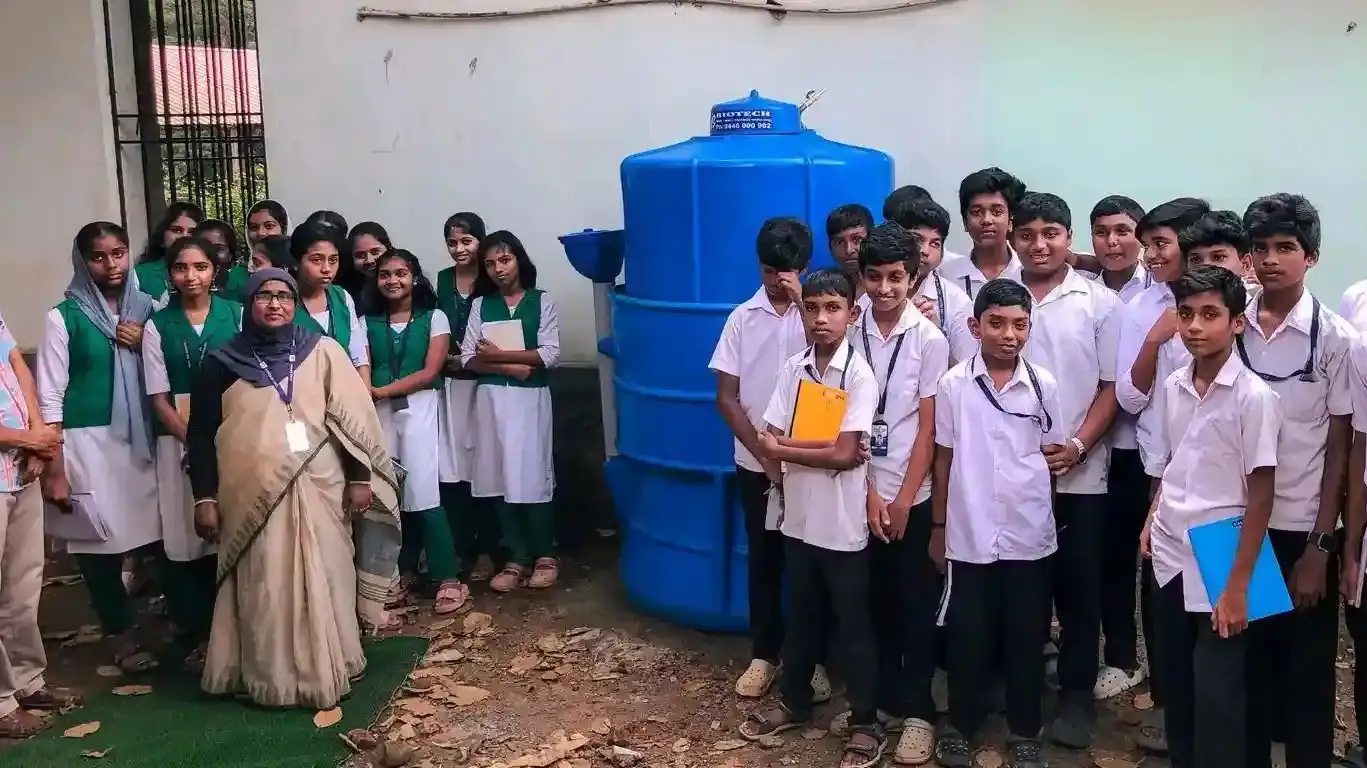
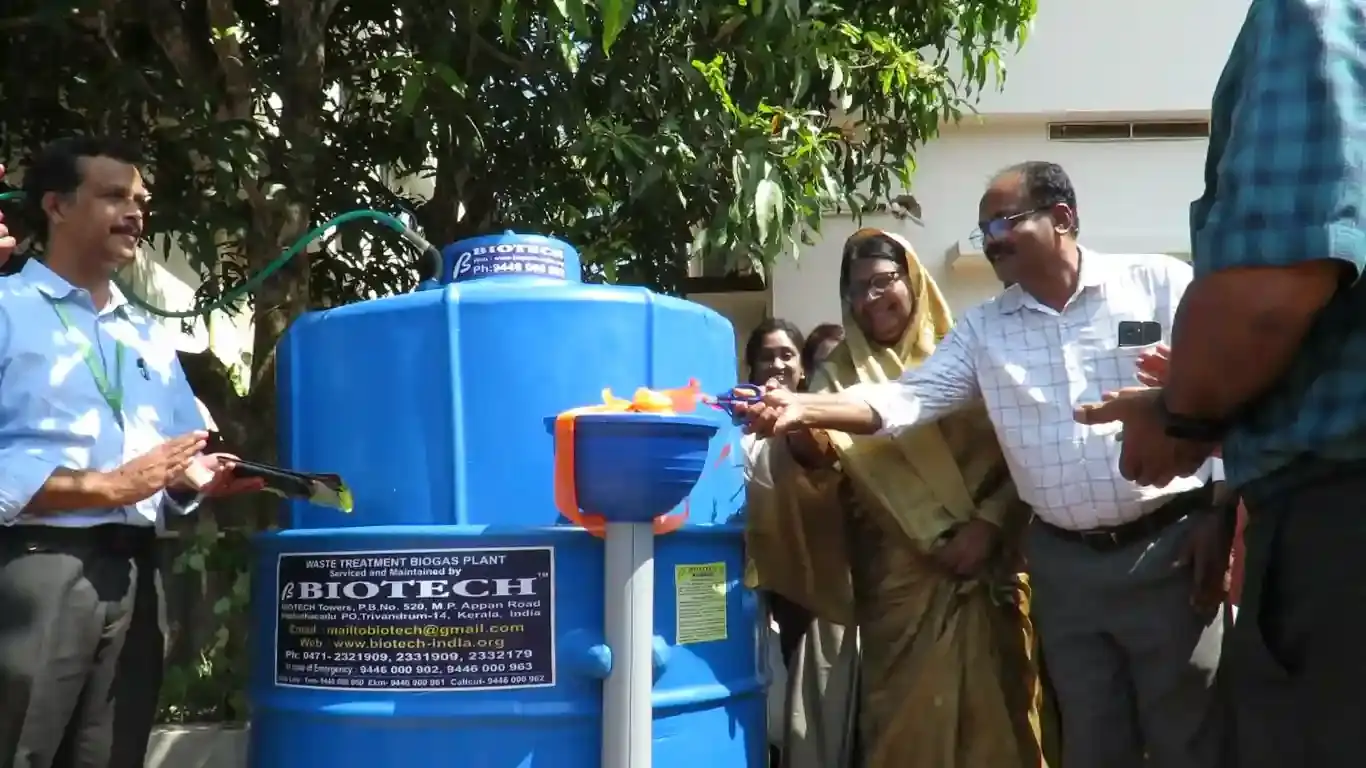
Beyond technology development, BIOTECH INDIA actively promotes awareness regarding sustainable waste management and renewable energy.
Many schools, colleges, government institutions, hospitals, and community organizations have adopted portable biogas plants for managing food waste generated from kitchens and noon meal programs.
These installations serve as demonstration units that educate students, staff, and the public about practical environmental solutions.
When people witness food waste being transformed into cooking gas and organic fertilizer, they gain a better understanding of circular economy principles and resource recovery.
Such projects inspire communities to reduce waste generation, minimize plastic usage, and embrace sustainable lifestyles.
The world is increasingly focusing on climate action, carbon reduction, and resource efficiency. Biogas technology aligns perfectly with these goals.
Instead of allowing organic waste to decompose in open dumps and release methane into the atmosphere, biogas plants capture and utilize the energy value of waste.
The resulting gas can replace conventional fuels such as LPG, firewood, and fossil fuels. The digested slurry can replace chemical fertilizers and improve soil health.
This creates a circular system where waste becomes energy and nutrients are returned to the soil.
Such approaches are essential for building sustainable communities and achieving global environmental goals.
World Oceans Day is more than a celebration. It is a reminder that every individual has a role in protecting our planet's most valuable natural resource.
The choices we make regarding waste management have far-reaching consequences. A plastic bag discarded today may become a microplastic particle in the ocean tomorrow. Conversely, a biogas plant installed today can prevent years of pollution while generating renewable energy and organic fertilizer.
Governments, institutions, businesses, and households must work together to promote sustainable waste management practices and reduce dependence on single-use plastics.
By adopting decentralized biogas technology, we can simultaneously address waste management challenges, energy needs, climate concerns, and marine pollution.
The theme of World Oceans Day encourages us to reimagine our relationship with the ocean and the environment. This new relationship must be built on responsibility, innovation, and sustainability.
Biogas technology offers a practical and proven solution that connects waste management, renewable energy generation, environmental protection, and ocean conservation.
Through its pioneering work in promoting portable biogas plants and decentralized waste management systems, BIOTECH INDIA continues to demonstrate how local actions can contribute to global environmental solutions.
This World Oceans Day, let us commit ourselves to reducing plastic pollution, managing organic waste responsibly, and embracing biogas technology as a pathway toward cleaner oceans, healthier communities, and a sustainable future for generations to come.
This article is approximately 1,200 words and is suitable for a website blog, LinkedIn article, newsletter, or World Oceans Day campaign publication.
Telephone: +91-471-2331909, 2321909, 2332179
E-mail: mailtobiotech@gmail.com


Ernakulam (Cochin)
Telephone: +91-484-4858695
E-mail: mailtobiotech@gmail.com

Kozhikode (Calicut)
Mob : +91-9446-000-962
E-mail: mailtobiotech@gmail.com

Telangana
Telephone: +91 40 29330078 , +919446000968
E-mail: gtp.nird@gmail.com



All rights are reserved. Biotech Renewable Energy Pvt. Ltd.