
 |
|
|
|
|





















By Dr. A. Sajidas,
Founder and Managing Director of
BIOTECH INDIA
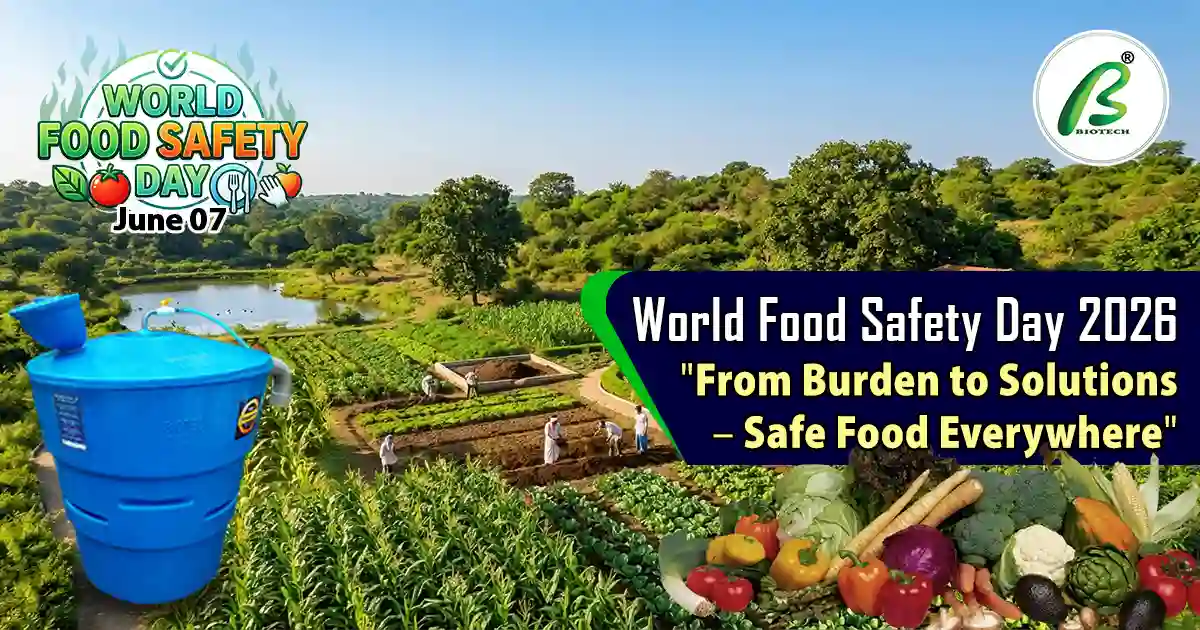
Every year on June 7, the world observes World Food Safety Day to emphasize the importance of safe, nutritious, hygienic, and sustainable food systems. Food safety is not only related to food preparation and storage; it is closely connected with environmental protection, public health, agriculture, and waste management. The theme “From burden to solutions – Safe food everywhere” reminds us that many environmental and food-related challenges can be transformed into sustainable opportunities through innovation, awareness, and responsible action.
Today, the world is facing serious challenges related to food waste, environmental pollution, climate change, and unsafe waste disposal practices. Addressing these challenges requires scientific and sustainable solutions that can protect both human health and the environment.
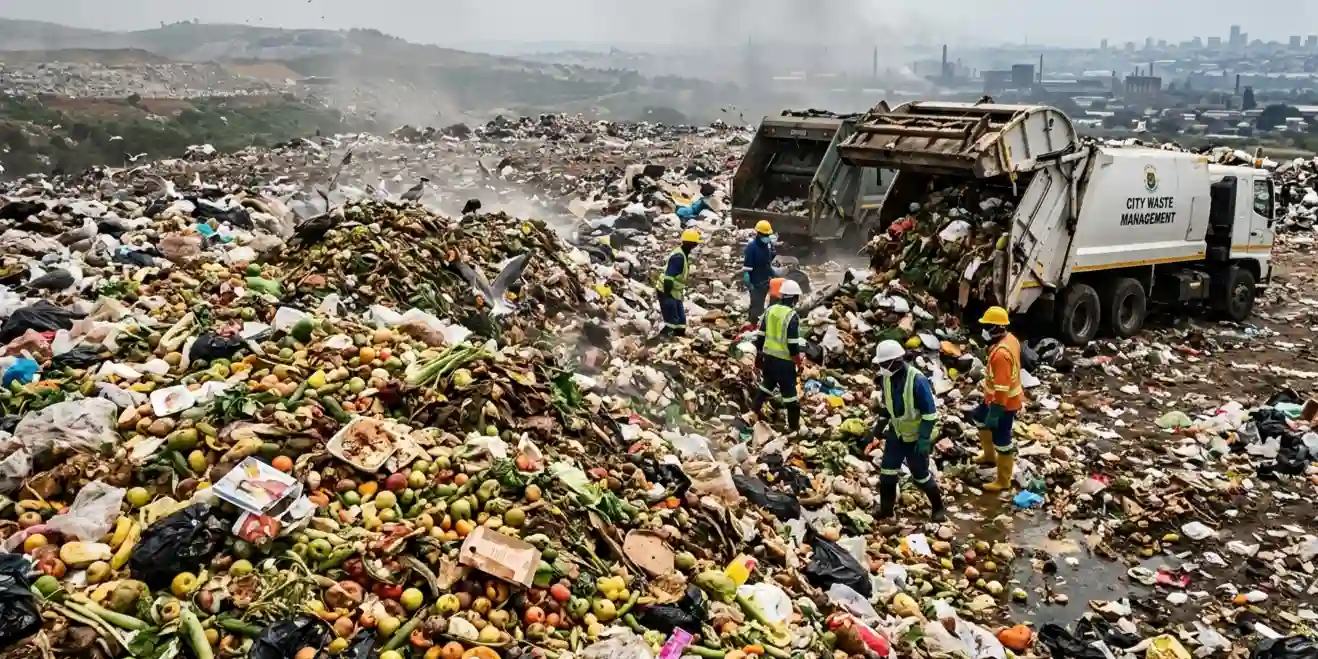
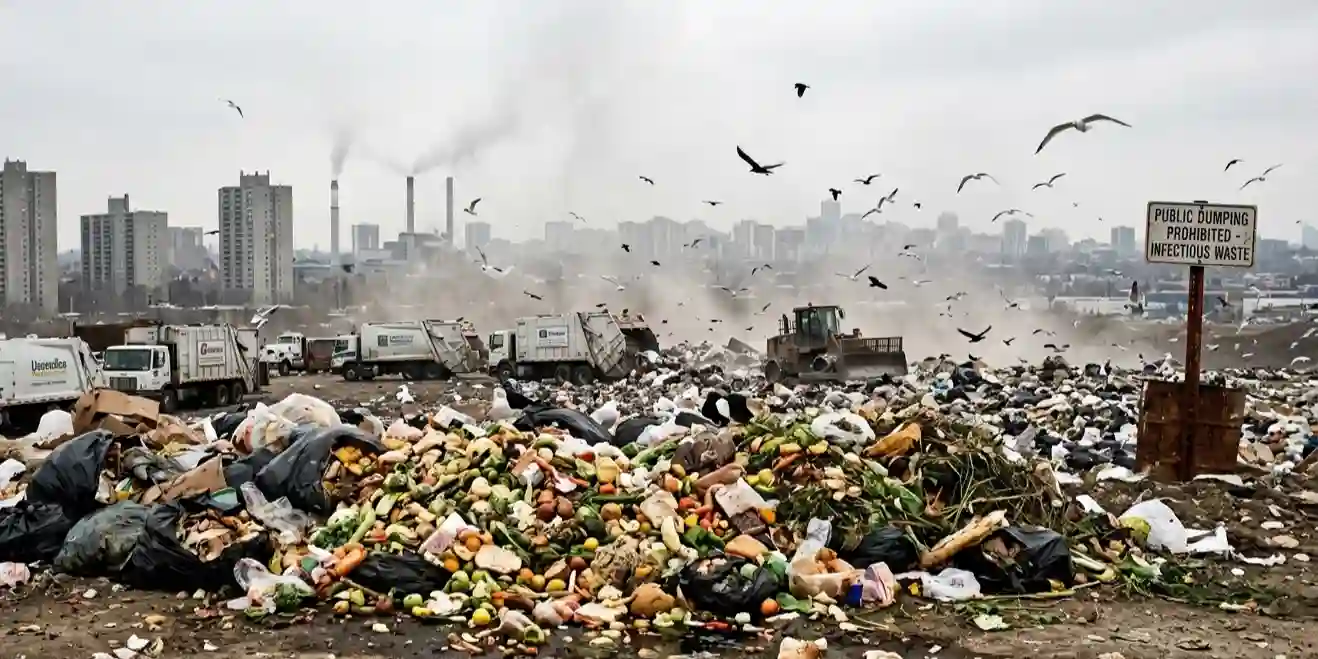
Millions of tons of organic waste are generated daily from households, restaurants, hotels, vegetable markets, food industries, and institutions. In many places, this waste is dumped openly or transported to landfills without proper treatment. Such practices create foul smell, attract pests, spread harmful pathogens, contaminate water sources, and increase greenhouse gas emissions.
Improper waste disposal directly affects environmental hygiene and public health. Unsafe environmental conditions can ultimately influence food quality and food safety. Therefore, food safety is not limited to kitchens or food factories alone; it also depends on how society manages waste and protects natural resources.
One of the most effective solutions for organic waste management is biogas technology. Biogas plants scientifically convert biodegradable waste into clean renewable energy and nutrient-rich organic manure through anaerobic digestion.
Instead of treating food waste as a burden, biogas plants transform waste into a valuable resource. This technology supports sustainable development, environmental protection, renewable energy generation, and circular economy practices.
Biogas plants are now becoming increasingly important in urban and rural waste management systems because they offer multiple environmental and economic benefits.
Biogas plants contribute significantly to food safety in many ways.
1. Scientific Organic Waste Treatment
Proper treatment of food waste prevents environmental pollution and improves sanitation. Organic waste processed inside biogas digesters does not create the same pollution problems caused by open dumping or landfills.
This helps maintain cleaner surroundings and reduces the risk of contamination and disease spread. Clean environments are essential for healthy communities and safe food systems.
2. Production of Organic Manure

One of the biggest advantages of biogas plants is the production of high-quality organic manure. Modern agriculture often depends heavily on chemical fertilizers and pesticides, which may negatively affect soil health and food quality over time.
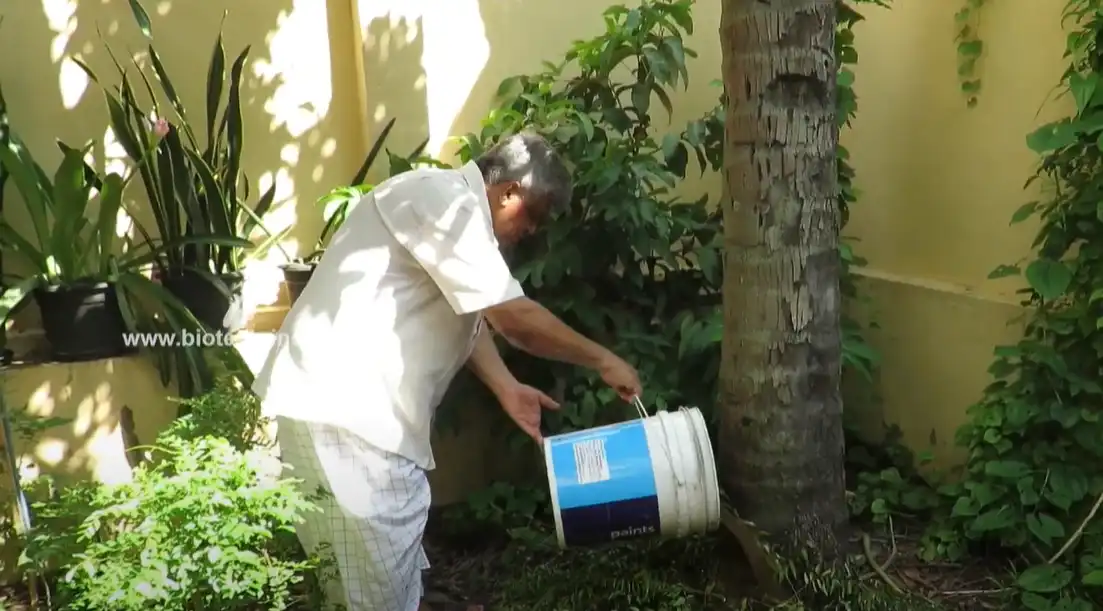
Organic manure produced from biogas systems improves soil fertility naturally. It contains essential nutrients and beneficial microorganisms that support healthy plant growth. The use of organic manure reduces dependence on harmful chemicals and promotes safer agricultural practices.
Healthy soil leads to healthy crops, and healthy crops contribute to safer and more nutritious food for society.
3. Renewable Energy Generation
Biogas plants produce clean cooking gas from food waste and other biodegradable materials. This renewable energy can replace LPG, firewood, coal, and other conventional fuels.
The use of clean energy helps reduce air pollution and supports environmental sustainability. Renewable energy also plays an important role in reducing dependence on fossil fuels and promoting energy security.
4. Climate Change Mitigation
Food waste dumped in landfills releases methane, a powerful greenhouse gas responsible for global warming. Biogas plants capture methane in a controlled environment and convert it into useful energy.
This process reduces greenhouse gas emissions and supports climate action initiatives. Since climate change affects agriculture and food production, reducing emissions is essential for long-term food security and food safety.
Biogas technology is one of the best examples of circular economy principles. In a circular economy, waste generated from one process becomes a useful resource for another process.
Food waste converted into clean energy and organic manure demonstrates how resources can be reused efficiently instead of being wasted. Circular economy practices reduce environmental burden, conserve resources, and create economic benefits for communities.
Such sustainable systems are essential for building environmentally responsible societies.
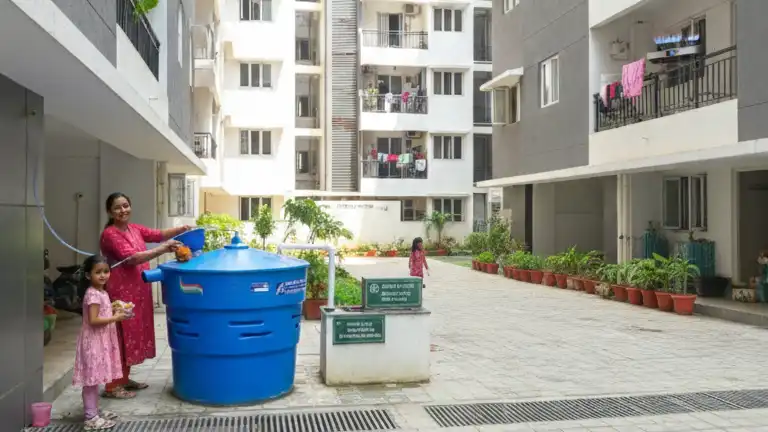
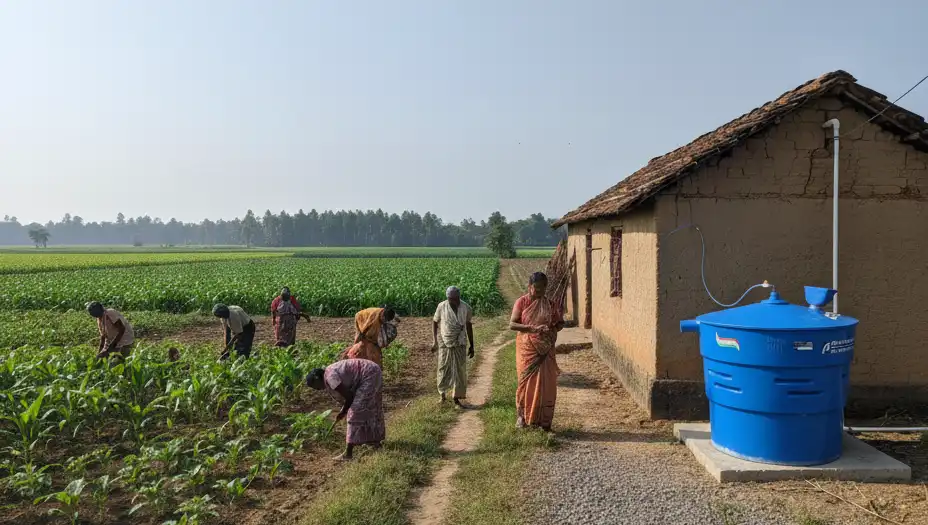
Urban areas are facing enormous challenges related to waste collection, transportation, and disposal. Decentralized waste treatment systems such as portable biogas plants provide an effective solution for managing organic waste directly at the source.
Families, apartments, restaurants, hostels, institutions, hospitals, and commercial establishments can install compact biogas systems to convert daily kitchen waste into useful energy and organic fertilizer.
These systems reduce landfill burden, transportation costs, and environmental pollution while promoting responsible waste management practices among the public.
Technology alone cannot solve environmental challenges. Public participation and awareness are equally important.
Many people are still unaware of the environmental impacts of food waste and the benefits of scientific organic waste treatment systems. Awareness programs related to food waste reduction, waste segregation, organic farming, renewable energy, and sustainable living are essential for long-term environmental sustainability.
Educational institutions, local governments, social organizations, and environmental groups must work together to encourage sustainable practices within communities.
BIOTECH INDIA has been actively promoting sustainable waste management and renewable energy projects through innovative biogas technologies and awareness programs.
Under the leadership of Dr. A. Sajidas, International Biogas Consultant and founder of BIOTECH INDIA, the organization is continuously creating awareness among the public regarding the enormous potential of organic waste treatment biogas projects.
BIOTECH INDIA strongly believes that waste is not a burden but a valuable resource when managed scientifically.
The portable biogas systems promoted by BIOTECH INDIA are compact, durable, cost-effective, and user-friendly. These systems are designed for both urban and rural applications.
The plants convert kitchen waste into clean cooking gas and nutrient-rich organic manure efficiently. Such systems support decentralized waste management, renewable energy generation, and sustainable agriculture.
BIOTECH INDIA is also contributing toward circular economy practices, carbon neutrality, waste-to-energy initiatives, and net-zero sustainable development goals.
One of the major missions of BIOTECH INDIA is creating environmental awareness among the public. Through demonstrations, consultancy services, training programs, awareness campaigns, and sustainable development projects, the organization is encouraging people to adopt scientific waste management practices.
The organization promotes the message that every household and institution can contribute toward environmental protection by reducing food waste and supporting renewable energy solutions.
World Food Safety Day reminds us that food safety is a shared responsibility. Governments, industries, institutions, environmental organizations, and individuals must work together to build healthier and safer food systems.
Simple actions such as reducing food waste, segregating organic waste, promoting organic farming, and installing biogas systems can create major positive environmental impacts.
Every small effort contributes toward a cleaner environment, healthier communities, and sustainable future generations.
World Food Safety Day is not only about food hygiene and quality standards. It is also about protecting the environment, promoting sustainable agriculture, encouraging responsible waste management, and supporting renewable energy technologies.
Biogas plants play a crucial role in transforming food waste from an environmental burden into sustainable solutions through clean energy production and organic manure generation.
On this important occasion, let us strengthen our commitment toward safe food, clean energy, circular economy practices, and environmental sustainability. Together, through awareness, innovation, and collective action, we can create a healthier, greener, and safer future for all.
Warm regards,
Dr. A. Sajidas
International Biogas Consultant
Founder & Managing Director, BIOTECH INDIA
Telephone: +91-471-2331909, 2321909, 2332179
E-mail: mailtobiotech@gmail.com


Ernakulam (Cochin)
Telephone: +91-484-4858695
E-mail: mailtobiotech@gmail.com

Kozhikode (Calicut)
Mob : +91-9446-000-962
E-mail: mailtobiotech@gmail.com

Telangana
Telephone: +91 40 29330078 , +919446000968
E-mail: gtp.nird@gmail.com



All rights are reserved. Biotech Renewable Energy Pvt. Ltd.