
 |
|
|
|
|





















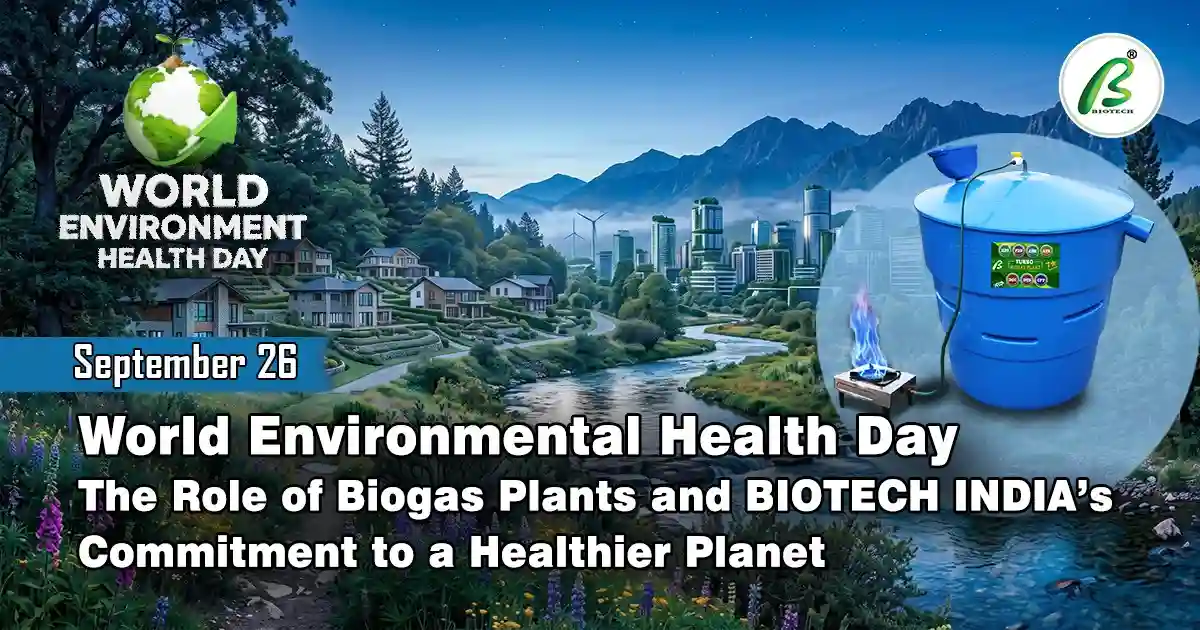
By Dr. A. Sajidas - International Consultant, Biogas & Sustainable Development Projects
Every year, September 26 is observed as World Environmental Health Day, highlighting the vital connection between environmental conditions and human health. A clean environment is essential for healthy communities, and responsible management of waste, water, air, sanitation, energy, and natural resources is an important part of protecting our well-being.
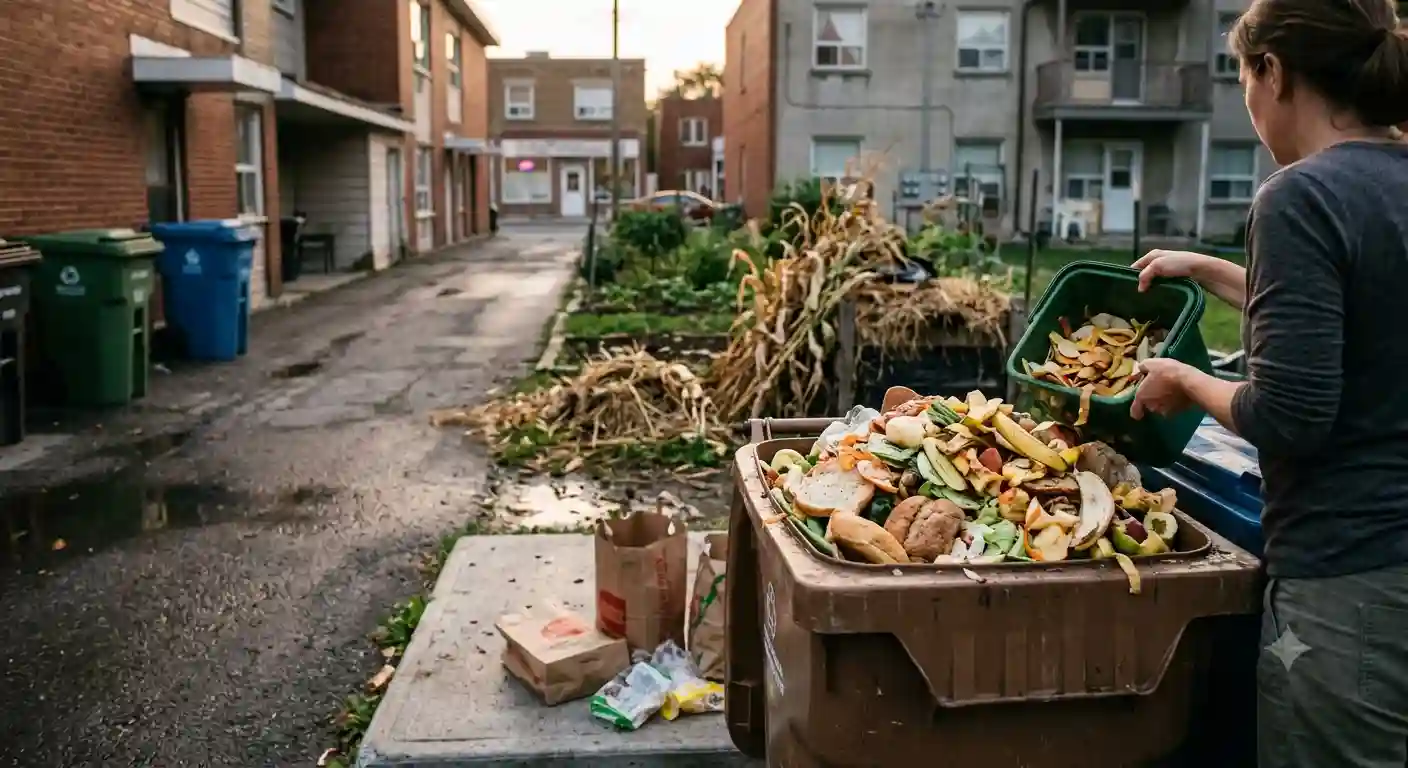
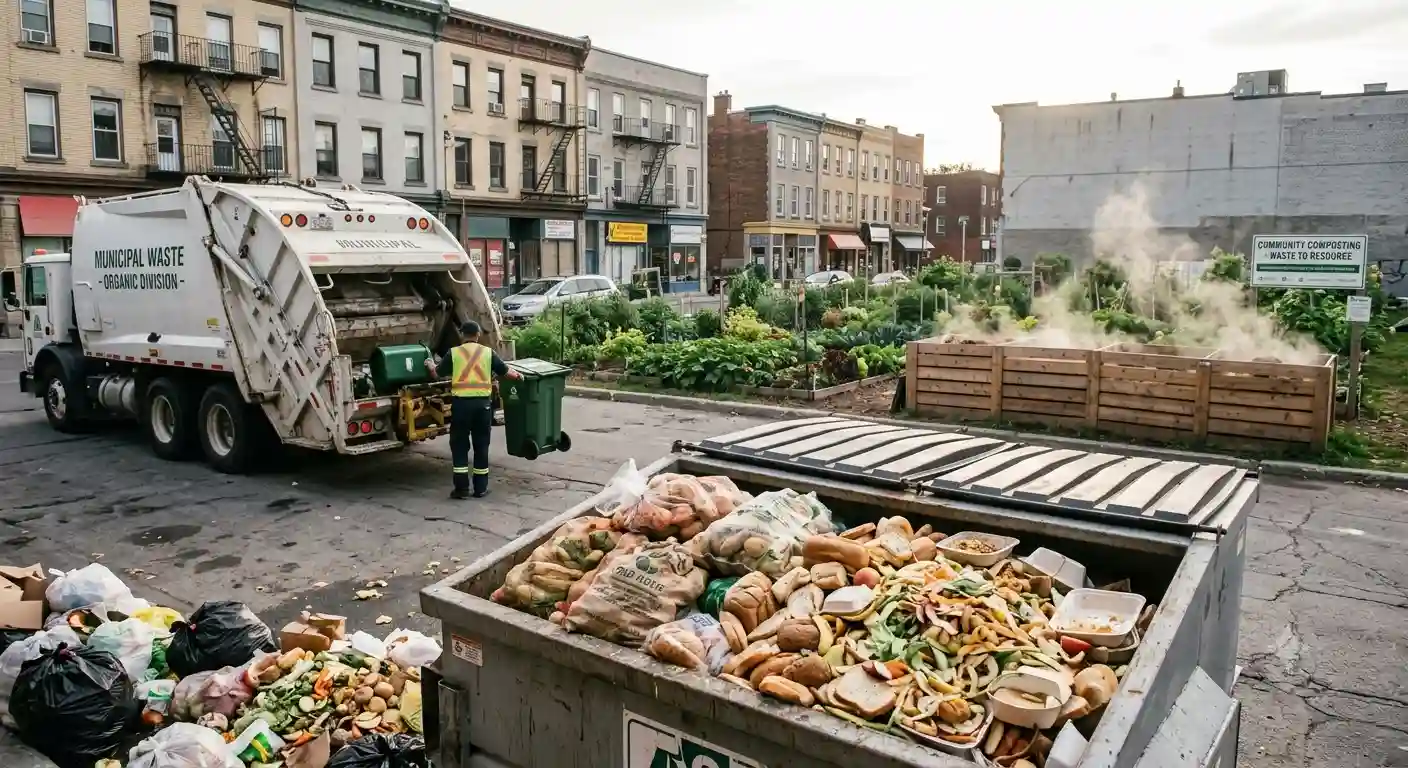
One of the major environmental challenges facing communities around the world is the increasing generation of organic waste. Every day, households, restaurants, hotels, markets, institutions, farms, and food-processing establishments generate kitchen leftovers, food waste, agricultural residues, animal manure, and other biodegradable materials.
When organic waste is not managed properly, it can create unpleasant surroundings, attract pests, produce odours, contaminate soil and water, and release greenhouse gases as it decomposes. However, organic waste is not merely a problem. It also contains valuable energy and nutrients.
This is where biogas technology can make an important contribution.
A biogas plant uses anaerobic digestion to convert biodegradable organic matter into useful products. In a controlled oxygen-free environment, microorganisms break down organic materials and produce biogas. The remaining digested material can be recovered and used as an organic soil amendment where appropriate and in accordance with local requirements.
The process creates an important resource-recovery cycle:
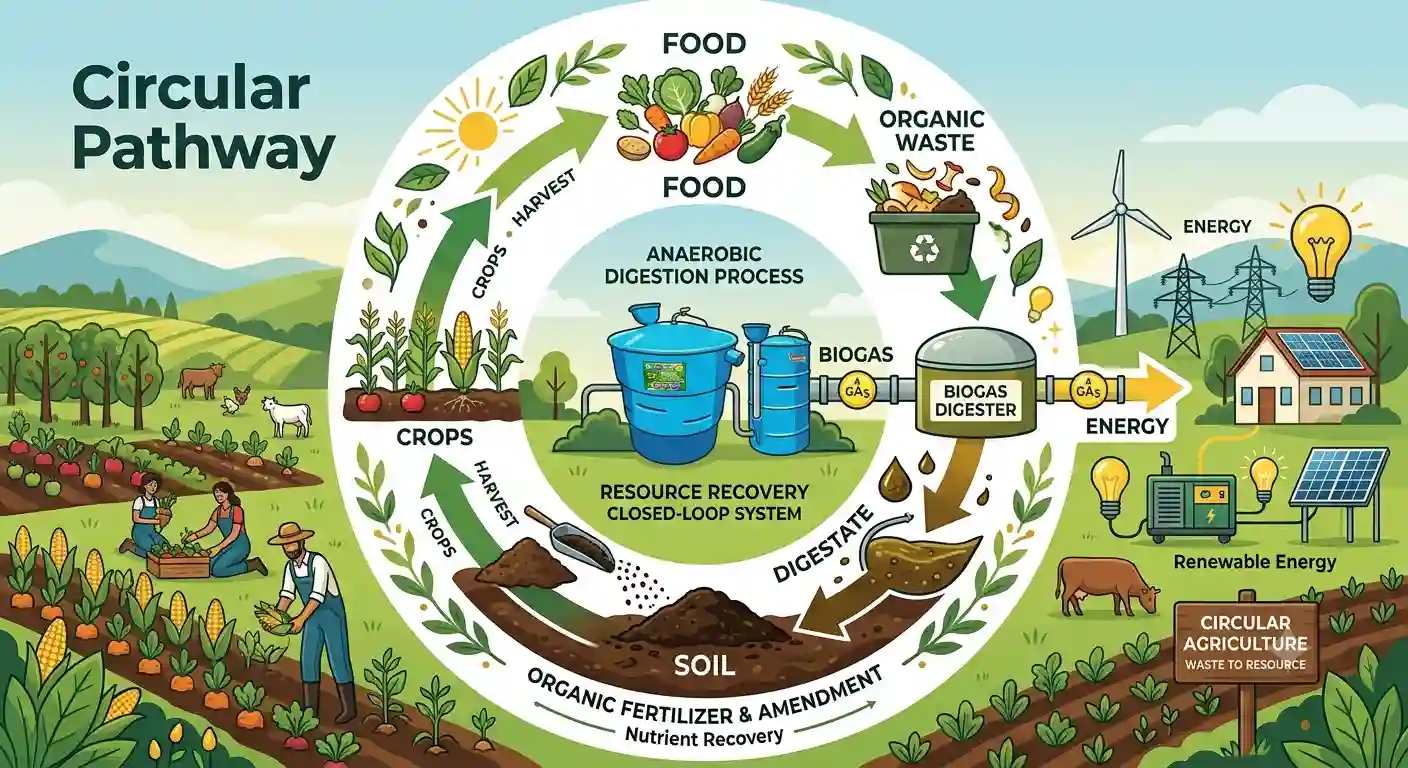
Organic waste → Biogas → Renewable energy + Nutrient-rich digestate
Instead of sending valuable biodegradable material to disposal sites, communities can recover energy and nutrients from it.
Biogas can be used for cooking, heating, electricity generation, or other suitable applications depending on the plant design and gas-utilization system.
This makes biogas more than an energy technology. It is also a waste-management and resource-recovery technology.
Environmental health is influenced by the conditions in which people live, work, eat, and breathe. Waste management is therefore an important component of environmental health.
Managing organic waste close to its source can provide several potential benefits.
First, decentralized treatment can reduce the quantity of biodegradable waste requiring collection and transportation.
Second, recovering energy from organic waste can provide a renewable energy source.
Third, the controlled digestion of organic materials can be incorporated into broader sanitation and waste-management strategies.
Fourth, the recovered digestate can potentially return nutrients to agricultural systems.
Finally, biogas encourages people to change the way they think about waste.
Instead of asking only, "How can we dispose of this waste?”, we can ask, “How can we recover value from this waste?”
That change in thinking is fundamental to the circular economy.
BIOTECH INDIA Renewable Energy has been involved in promoting biogas technology and decentralized organic waste management for more than three decades.
The organization has worked to develop and promote practical renewable-energy solutions for households, institutions, farms, businesses, and other organic-waste-generating establishments.
The underlying philosophy is straightforward: organic waste should be managed as close as practical to its source, and useful resources should be recovered whenever technically and economically feasible.
BIOTECH INDIA's work includes the promotion of biogas digesters, renewable-energy solutions, organic waste-management systems, technology awareness, training, project development, and technical support.
The company's experience has also focused on making biogas technology more user-friendly and suitable for different applications.
One of the challenges of introducing biogas technology in urban areas is limited space.
Traditional biogas plants may require excavation and permanent construction, which can make them difficult to install in some homes, apartments, institutions, restaurants, and commercial establishments.
Portable and compact digesters provide another approach.
BIOTECH INDIA has promoted FRP-based portable biogas digesters designed for applications where compactness, durability, ease of installation, and user-friendliness are important considerations.
Such systems can be installed in appropriate locations, including areas where conventional underground construction may be difficult.
For households, kitchen leftovers can become feedstock for biogas production. For restaurants and institutions, larger quantities of food waste can potentially be processed through appropriately designed systems.
The technology therefore creates a direct connection between daily waste generation and renewable-energy production.


BIOTECH INDIA has also introduced its Turbo High-Pressure Portable Biogas Plant, developed as a compact FRP-based solution.
The technology is intended to provide a practical approach to decentralized organic waste management while recovering biogas for useful applications.
The Turbo concept reflects an important principle in renewable-energy development: technology must not only work technically; it should also be convenient enough for people to adopt and operate.
User-friendly design, appropriate capacity, proper feedstock preparation, gas management, regular maintenance, and technical support are all important factors in achieving reliable performance.
Technology alone cannot solve the waste problem. People, systems, training, and technology must work together.
Cooking energy is another important area where biogas can contribute.
Biogas produced from suitable organic waste can be used as a renewable cooking fuel when the system is properly designed, operated, and maintained.
For households and businesses that generate organic waste regularly, this creates an interesting opportunity: the material that was previously considered waste can become a source of useful cooking energy.
Restaurants, for example, generate significant quantities of food waste every day. Rather than transporting all biodegradable waste away for disposal, an appropriately designed biogas system can process part of that material at the source.
This approach connects food waste management with clean-energy generation.
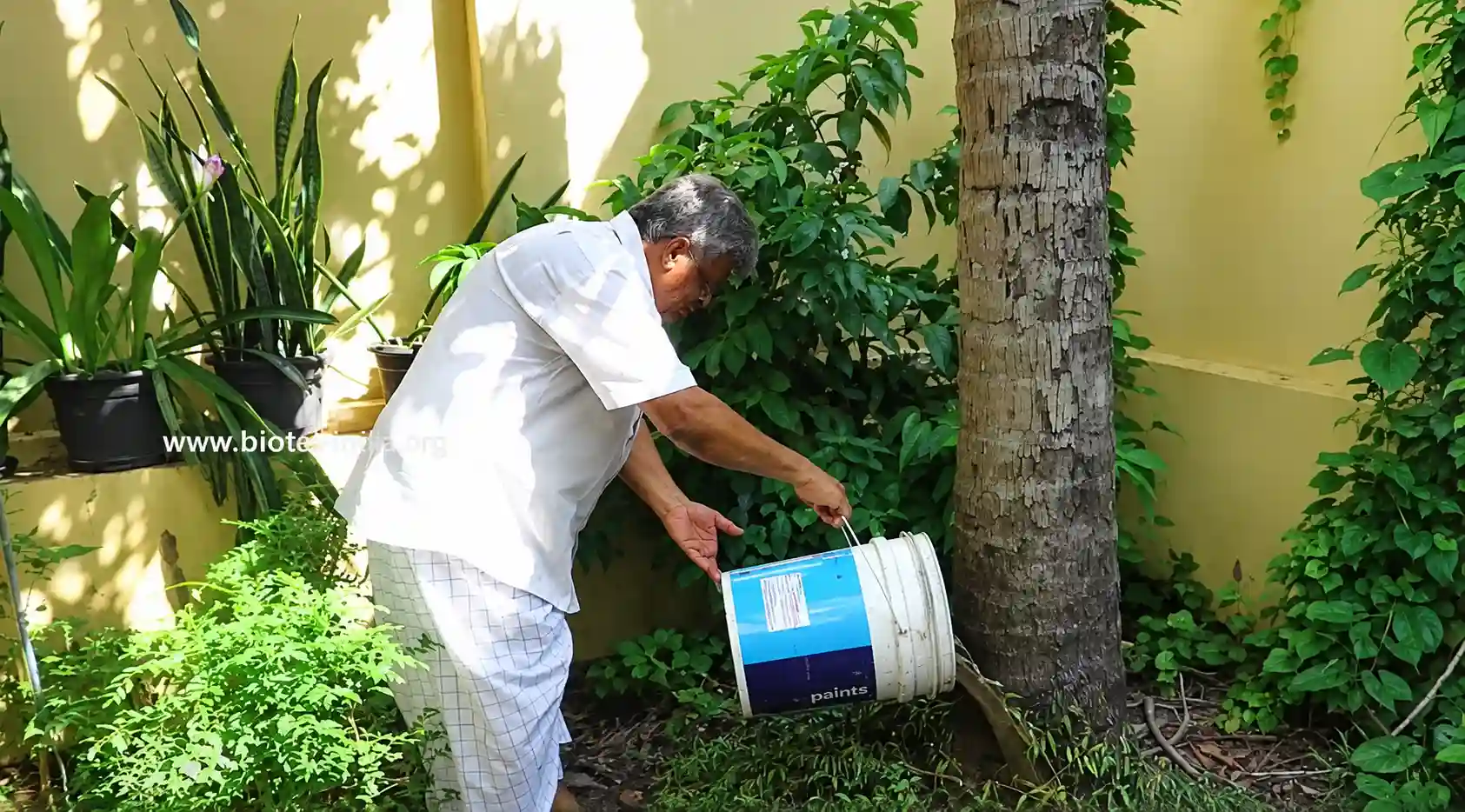
Biogas plants do not only produce gas.
The anaerobic digestion process also produces digestate. Depending on the feedstock, treatment conditions, and applicable standards, this material can potentially be utilized as an organic fertilizer or soil amendment.
This creates another valuable connection between waste management and agriculture.
Organic matter and nutrients can return to the soil instead of being lost from the productive cycle.
For farms, households with gardens, and agricultural institutions, this resource-recovery aspect can make biogas particularly attractive.
Thus, a well-designed biogas system can contribute to a circular pathway:
Food → Organic waste → Biogas → Energy → Digestate → Soil → Food
This is the circular economy in action.
Technology adoption requires awareness.
BIOTECH INDIA has therefore placed importance on educating people about biogas technology, organic waste management, renewable energy, and sustainable development.
Awareness programmes, training initiatives, technical discussions, demonstrations, and knowledge-sharing activities can help users understand how biogas plants work and what is required for successful operation.
Training is especially important because the long-term performance of any biogas plant depends on proper feeding, operation, maintenance, and troubleshooting.
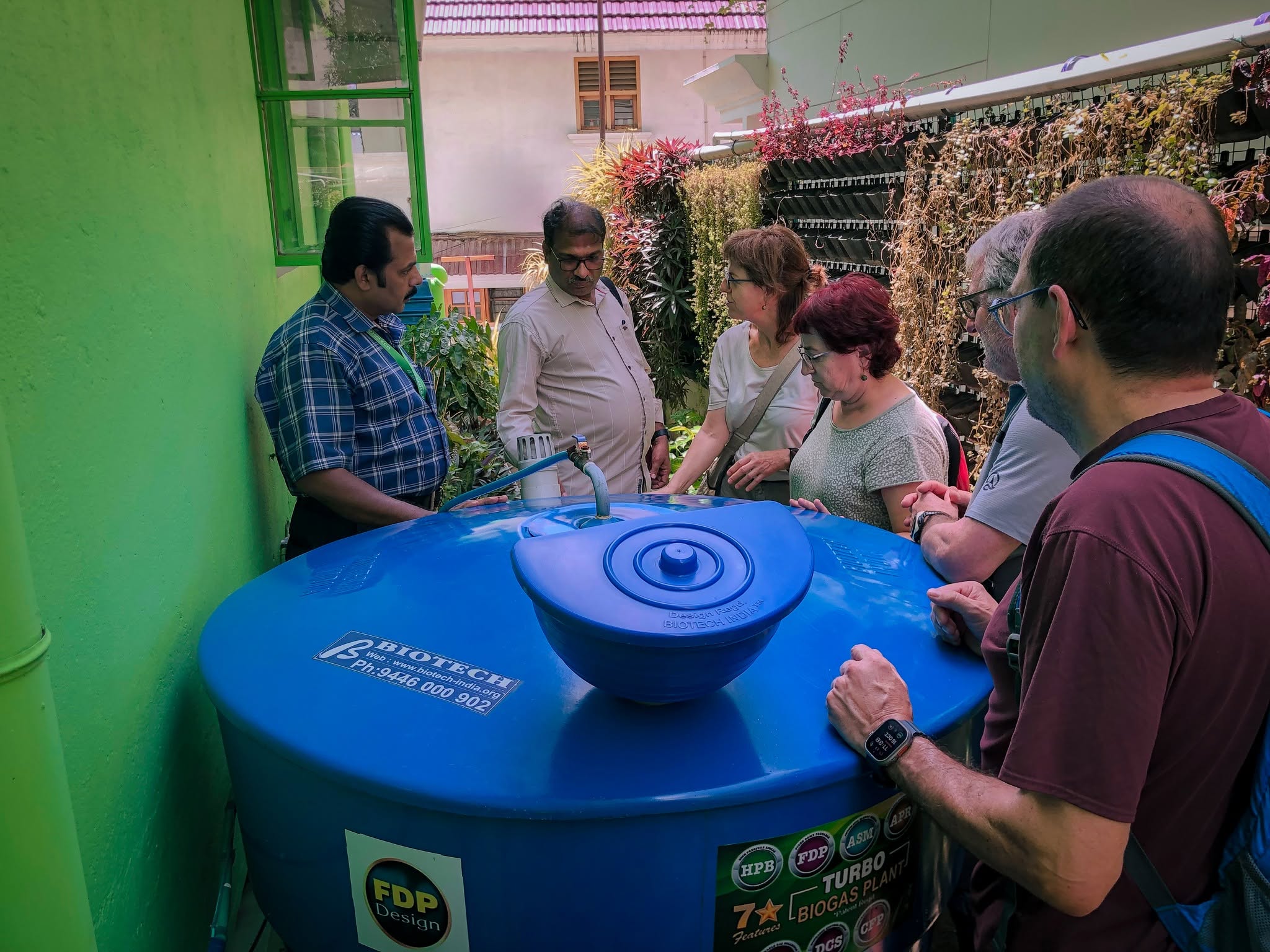
A biogas plant should not simply be installed and forgotten.
It should become part of an organized waste-management and energy-management system.
The world is gradually moving from a linear model of production and consumption toward a circular model.
The linear model is:
Take → Make → Use → Dispose.
The circular model seeks to:
Reduce → Reuse → Recover → Recycle → Regenerate.
Biogas fits naturally into the circular economy.
Organic materials that would otherwise become waste can be processed to recover energy. The resulting digestate can potentially return nutrients to the soil.
This means biogas can help connect several sectors that are often treated separately:
Waste management + Energy + Agriculture + Environment + Sustainable Development
That integrated approach is particularly relevant to the objectives of World Environmental Health Day.
World Environmental Health Day provides an opportunity for governments, institutions, businesses, communities, and individuals to reflect on how everyday activities affect environmental health.
Organic waste is generated every day.
Therefore, organic waste management also needs to happen every day.
We should encourage households to segregate biodegradable waste properly. Restaurants and institutions should explore appropriate source-level treatment options. Communities should consider decentralized resource-recovery systems wherever suitable.
Biogas should not be seen as the only solution to the world's waste-management challenges. Composting, recycling, source segregation, wastewater treatment, material recovery, and other technologies all have important roles.
But where suitable organic feedstock is available, biogas can be an important bridge between waste management and renewable energy.
BIOTECH INDIA's continuing efforts in biogas and organic waste management are based on a simple vision: convert environmental challenges into opportunities for resource recovery and sustainable development.
By promoting decentralized biogas technology, the organization aims to encourage people to view organic waste differently.
A kitchen leftover can become renewable cooking fuel.
Food waste can become energy.
Digestate can contribute nutrients to agriculture.
A waste-management problem can become a resource-recovery opportunity.
This is the message that makes biogas particularly relevant to World Environmental Health Day.
World Environmental Health Day is observed on September 26, but environmental responsibility cannot be limited to one day.
Every household, restaurant, institution, farm, business, and community has a role to play.
The future of environmental health depends not only on large-scale policies and infrastructure but also on thousands of practical decisions made every day.
Proper segregation of waste, responsible consumption, renewable energy adoption, resource recovery, and decentralized organic waste management can collectively contribute to healthier and more sustainable communities.
BIOTECH INDIA will continue its efforts to promote biogas technology, organic waste management, renewable energy, technology transfer, training, and sustainable development.
On this World Environmental Health Day, let us recognize that organic waste is not simply something to throw away—it can be a resource waiting to be recovered.
Let us transform waste into energy, energy into opportunity, and opportunity into a healthier and more sustainable future.
A cleaner environment begins with responsible waste management, and every biogas plant can become a small but meaningful step toward a healthier planet. 🌍♻️🔥🌱
Telephone: +91-471-2331909, 2321909, 2332179
E-mail: mailtobiotech@gmail.com


Ernakulam (Cochin)
Telephone: +91-484-4858695
E-mail: mailtobiotech@gmail.com

Kozhikode (Calicut)
Mob : +91-9446-000-962
E-mail: mailtobiotech@gmail.com

Telangana
Telephone: +91 40 29330078 , +919446000968
E-mail: gtp.nird@gmail.com



All rights are reserved. Biotech Renewable Energy Pvt. Ltd.