
 |
|
|
|
|





















By Dr. A. Sajidas - International Consultant, Biogas & Sustainable Development Projects
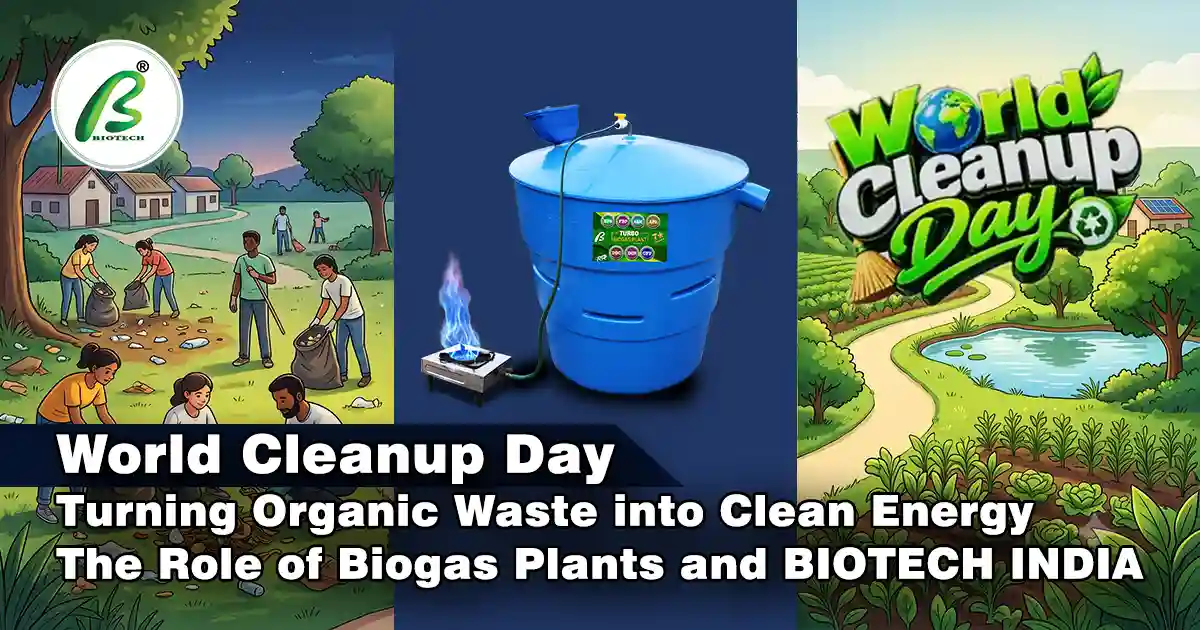
Every year, World Cleanup Day reminds us of a simple but powerful truth: a cleaner planet begins with responsible action. Cleaning streets, public spaces, beaches, markets, homes, and communities is important, but the real challenge begins after the waste has been collected. How do we manage it responsibly? For organic waste, one of the most promising answers is biogas technology.
From September 17 to 20, World Cleanup Day provides an opportunity to look beyond cleaning activities and think about long-term solutions for waste management. Instead of treating biodegradable waste merely as something to be discarded, we can recognize it as a valuable resource capable of producing renewable energy and organic manure.
For more than three decades, BIOTECH INDIA has been working to promote biogas technology, decentralized organic waste management, renewable energy, and sustainable development. Its experience demonstrates how waste generated every day can become part of a practical circular-economy solution.
Every household, restaurant, hotel, market, institution, and community generates organic waste. Kitchen leftovers, vegetable and fruit waste, food scraps, agricultural residues, and other biodegradable materials are often mixed with other waste and transported to dumping grounds.
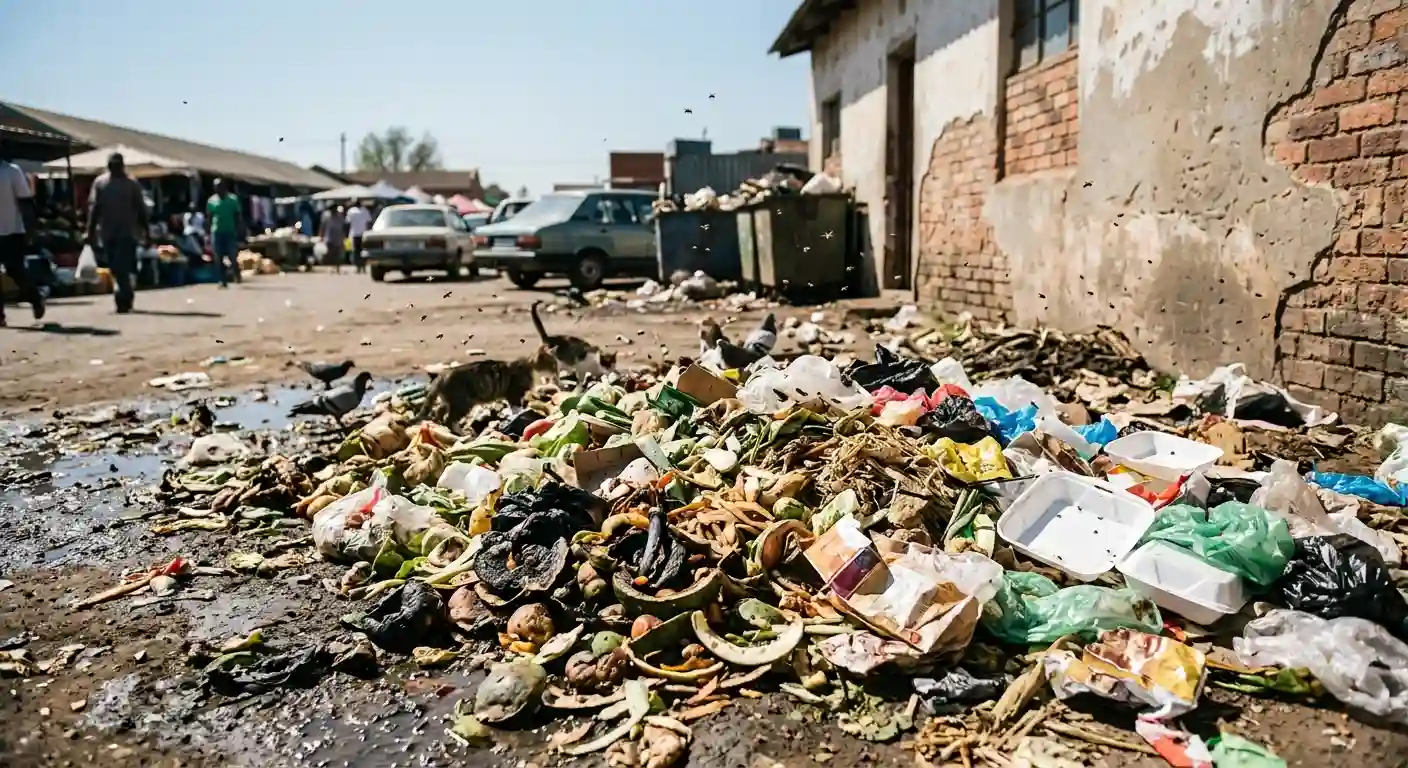
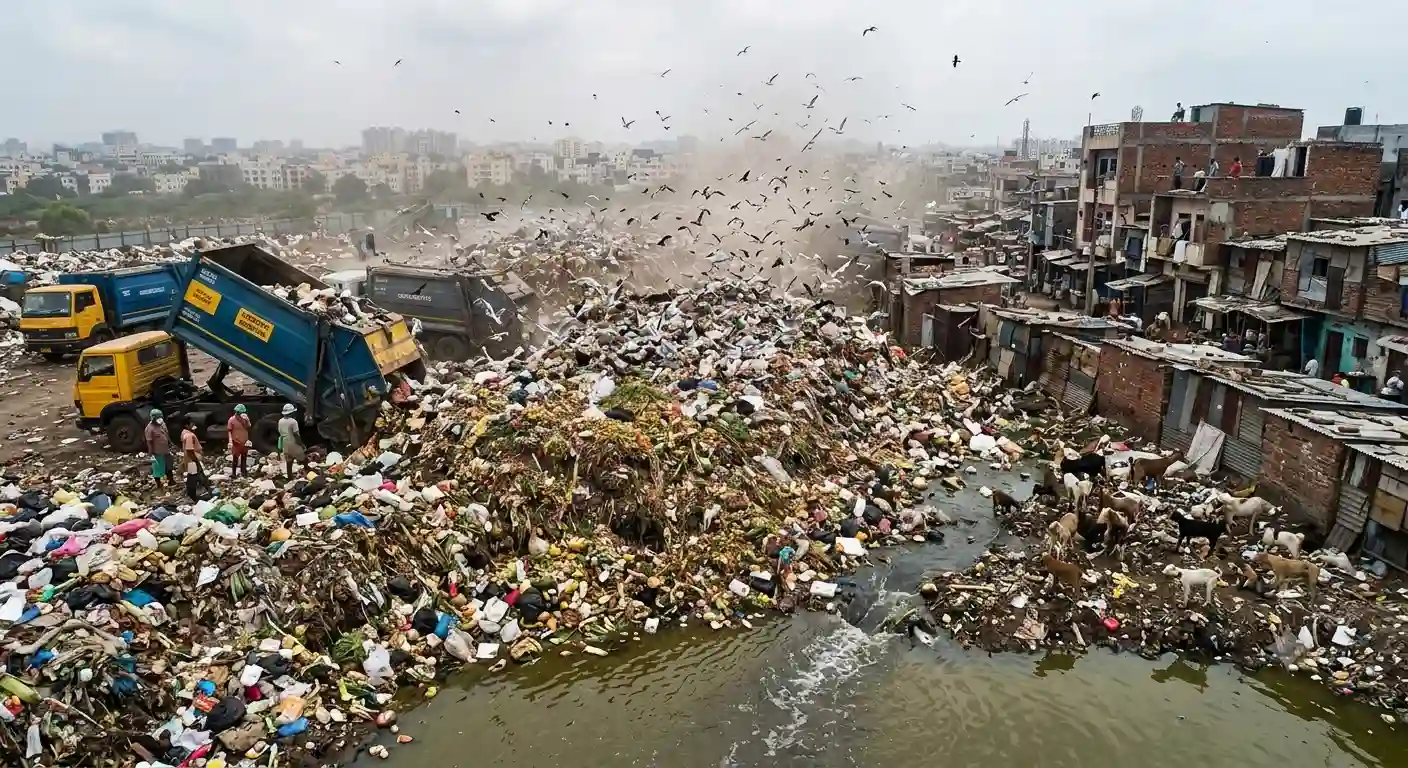
When organic waste is poorly managed, it can create unpleasant odors, attract insects and animals, contaminate surroundings, and contribute to environmental problems. Organic material decomposing without proper control can also generate methane, a potent greenhouse gas.
Therefore, World Cleanup Day should not only encourage people to collect waste. It should also encourage us to segregate, process, recycle, recover, and reuse waste at the source.
This is where biogas plants can play an important role.
Biogas technology uses anaerobic digestion to break down biodegradable organic material in an oxygen-free environment. During this natural biological process, microorganisms convert organic matter into biogas and digestate.
Biogas primarily contains methane and carbon dioxide and can be used as a renewable fuel when properly produced and managed. Depending on the system and application, it can be used for cooking, heating, electricity generation, or other energy requirements.
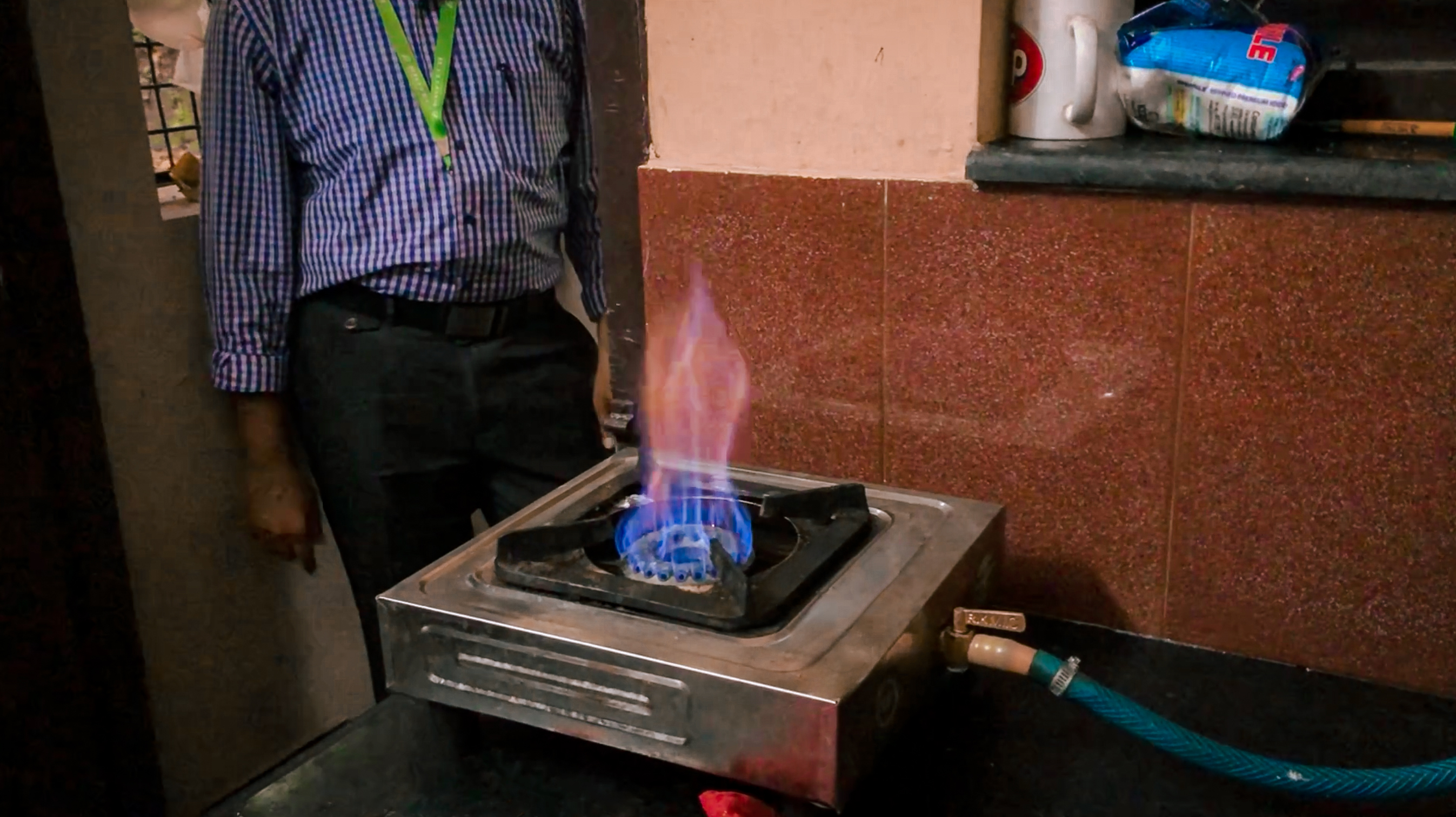
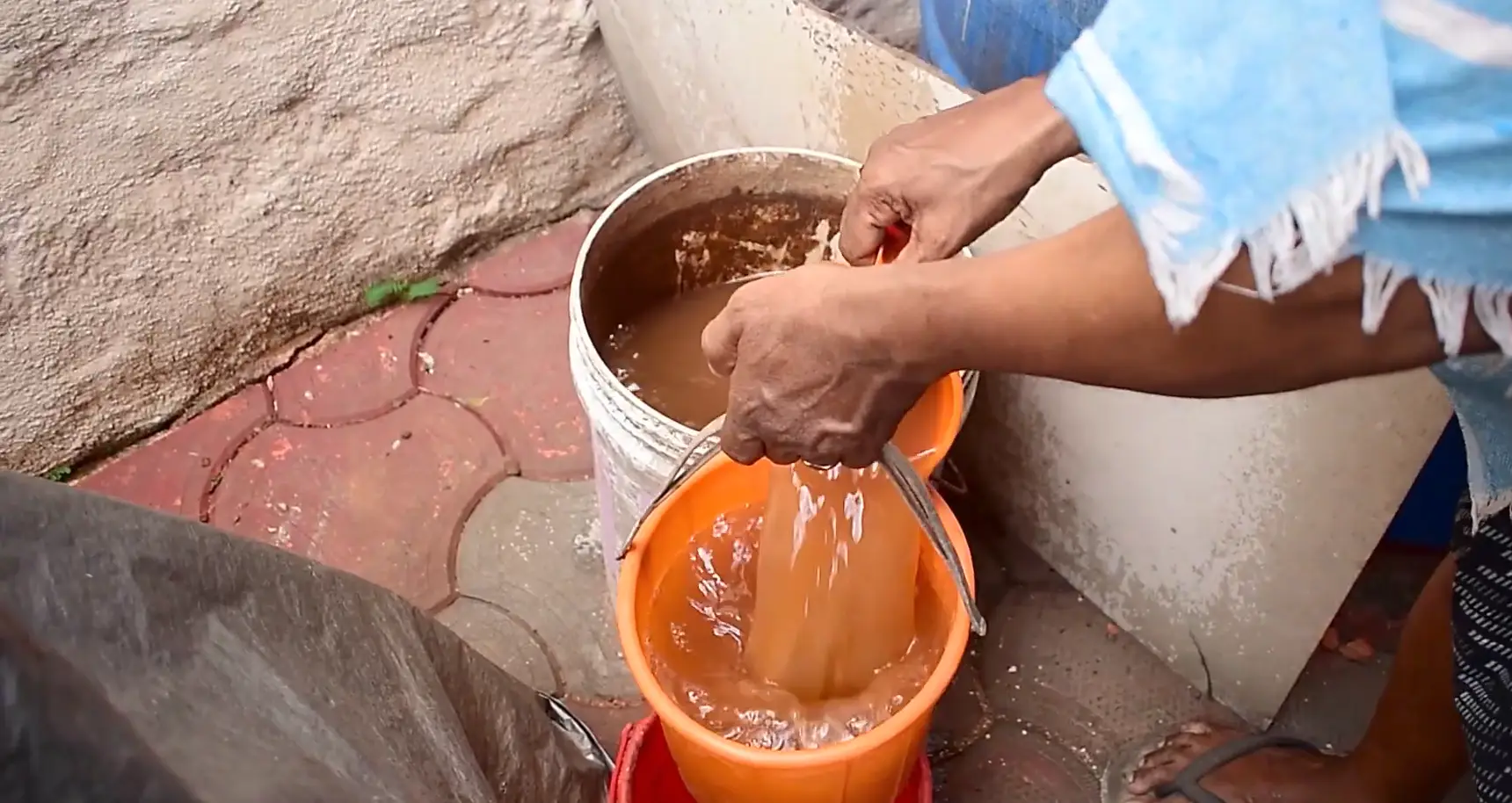
The second important product is the digested slurry or digestate, which can be utilized as an organic fertilizer or soil amendment when appropriately managed.
This creates a valuable cycle:
Organic waste → Biogas → Renewable energy + Organic manure
Instead of sending valuable biodegradable material to a dumping ground, we can process it and recover useful resources.
World Cleanup Day is fundamentally about action. People come together to clean their surroundings, remove waste, and create awareness about environmental responsibility.
But cleaning alone cannot solve the growing waste-management challenge.
Imagine a household that cleans its kitchen every day but throws all its food waste into a common garbage bin. The surrounding area may look clean, but the problem has simply been transferred somewhere else.
A household using appropriate source-level organic-waste treatment can take a different approach. Food leftovers can be separated and directed toward a suitable biogas plant. The waste can then become renewable cooking fuel and useful organic manure.
This approach changes the philosophy of cleanup.
We should not only clean waste; we should create systems that prevent waste from becoming an environmental burden.
BIOTECH INDIA has been associated with biogas technology and organic-waste management for more than three decades. Through its projects, products, training initiatives, demonstrations, and awareness activities, the organization has promoted the idea that biodegradable waste can be treated close to where it is generated.
The company has worked with households, institutions, commercial establishments, communities, and other users to demonstrate decentralized approaches to organic-waste management.
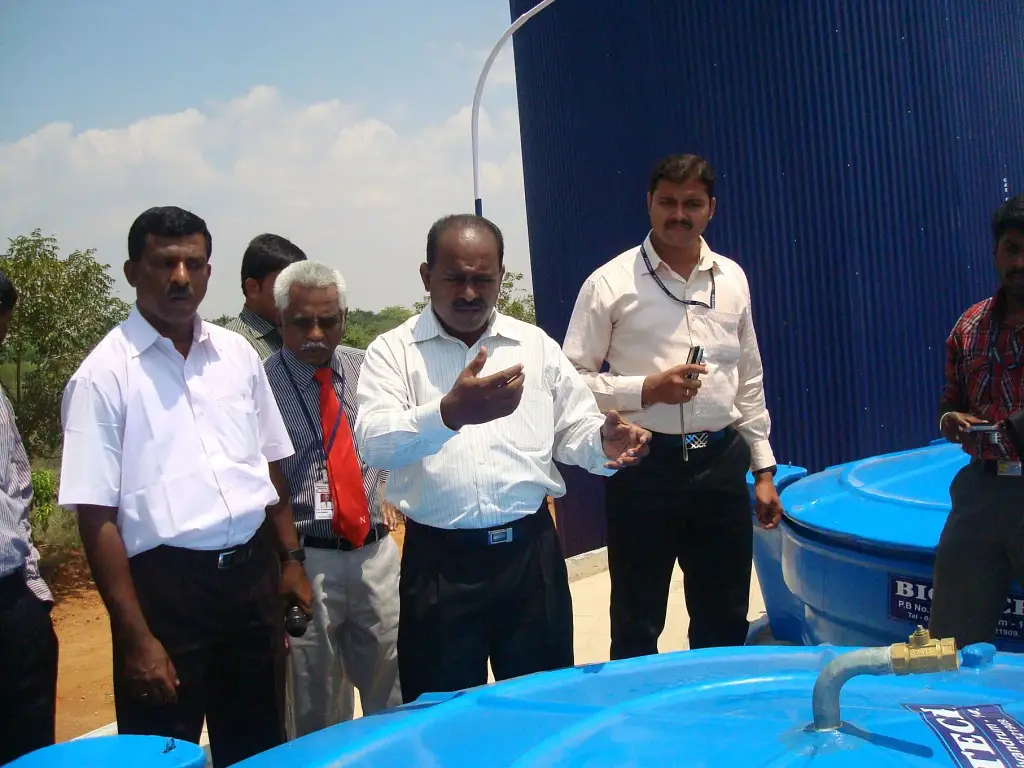
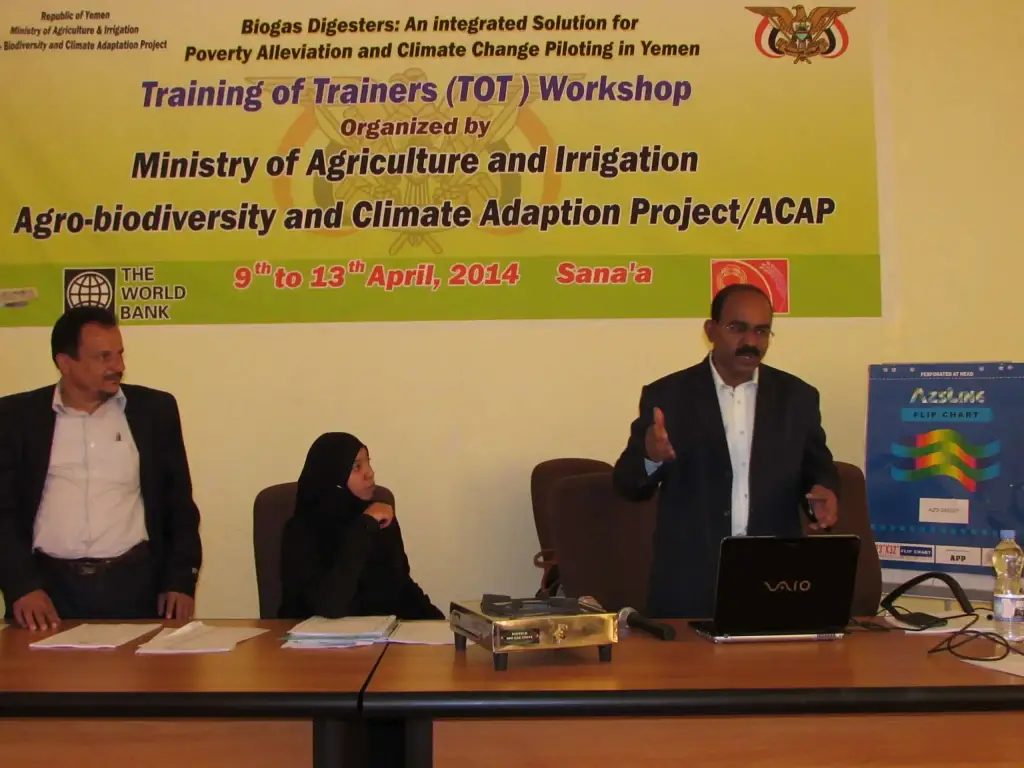
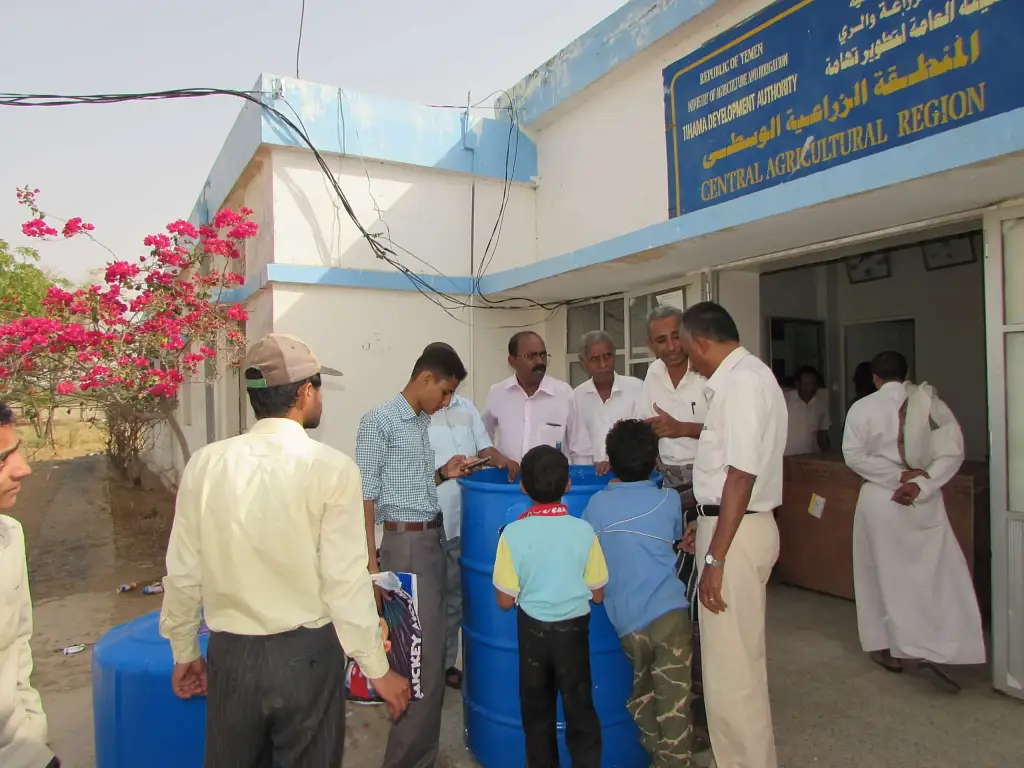
Its work includes the development and promotion of FRP-based portable biogas digesters, institutional biogas systems, waste-to-energy solutions, and other technologies designed to make biogas more accessible and practical.
The underlying message is simple:
Waste generated at the source can often be treated at the source.
This can reduce the need for unnecessary transportation of biodegradable waste and help communities explore locally appropriate resource-recovery solutions.
One of the biggest challenges in modern waste management is the increasing quantity of food waste generated in urban areas.
Apartments, restaurants, hotels, canteens, vegetable markets, hospitals, educational institutions, and other establishments generate organic waste every day.
For many such locations, transporting food waste over long distances is neither an ideal nor a sustainable long-term solution.
Decentralized biogas plants can provide an alternative approach where conditions are technically suitable.
BIOTECH INDIA's portable FRP biogas systems are designed with an emphasis on compactness, durability, ease of installation, and user-friendly operation. Such systems can be particularly relevant where available space is limited and where users want to manage biodegradable waste close to its source.
The objective is not simply to install a machine.
The objective is to create a complete waste-to-resource system involving segregation, feeding, digestion, gas utilization, slurry management, and regular maintenance.
BIOTECH INDIA has also introduced its Turbo High-Pressure Portable Biogas Plant, developed as a compact FRP-based solution with several distinctive design features.
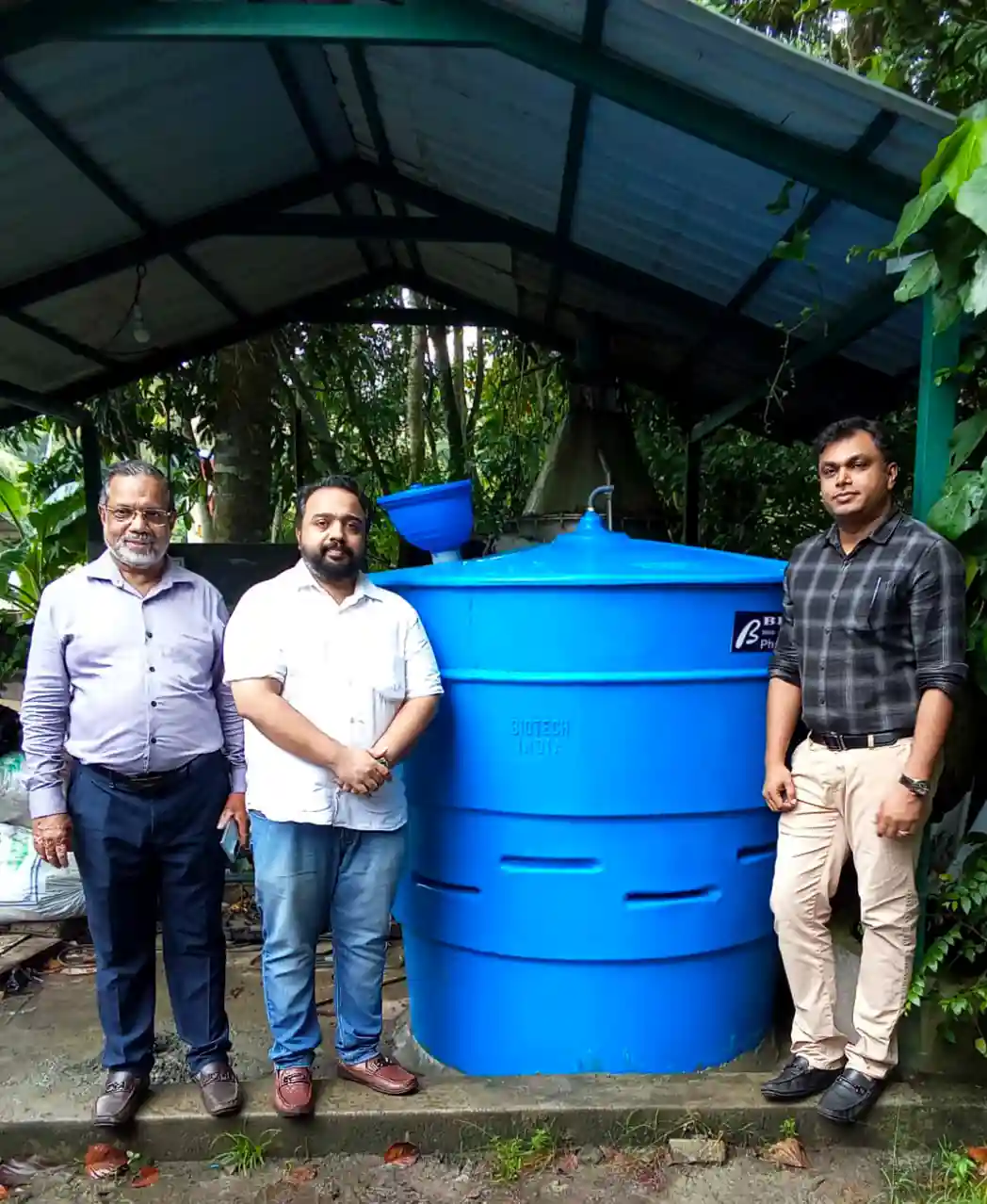
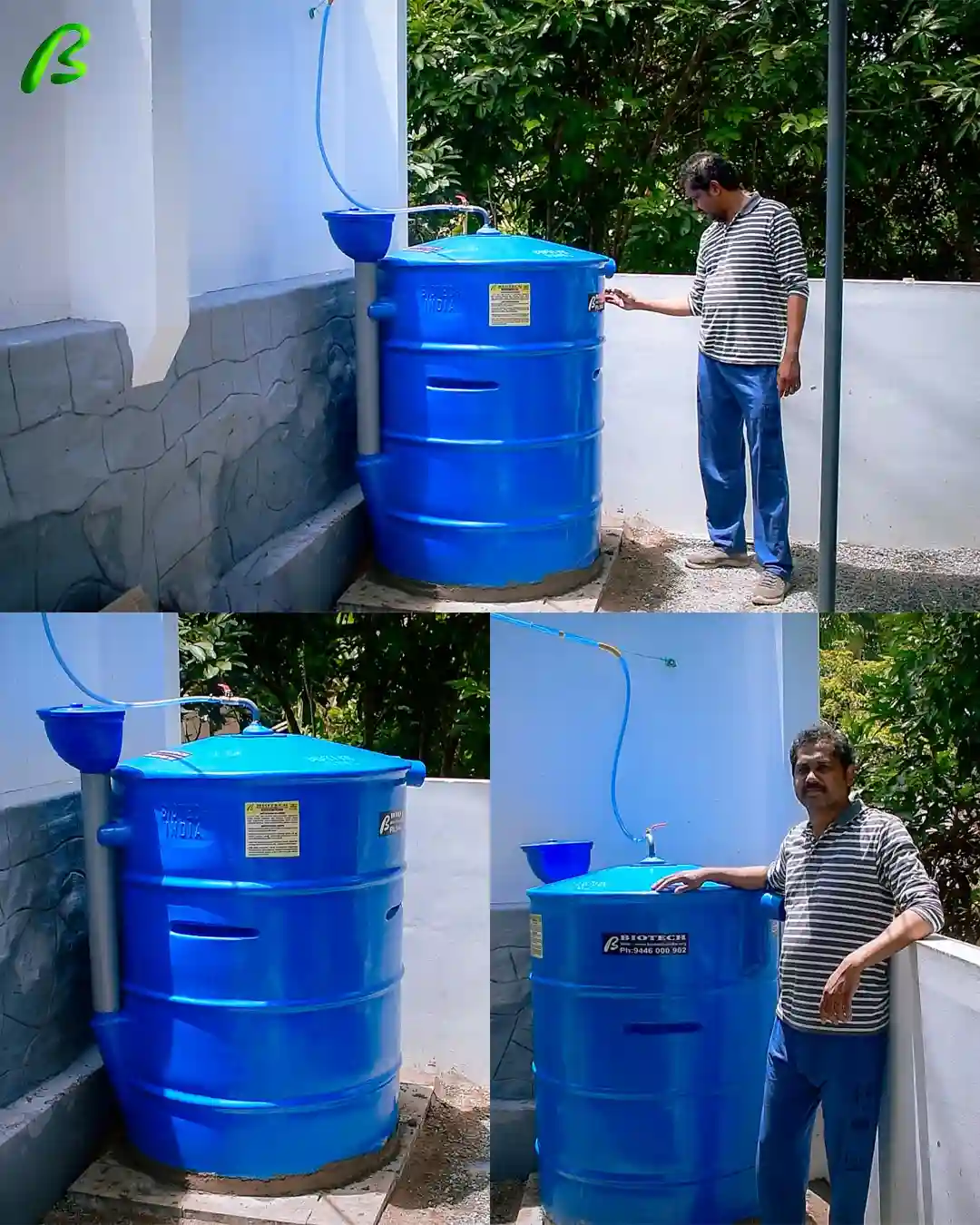
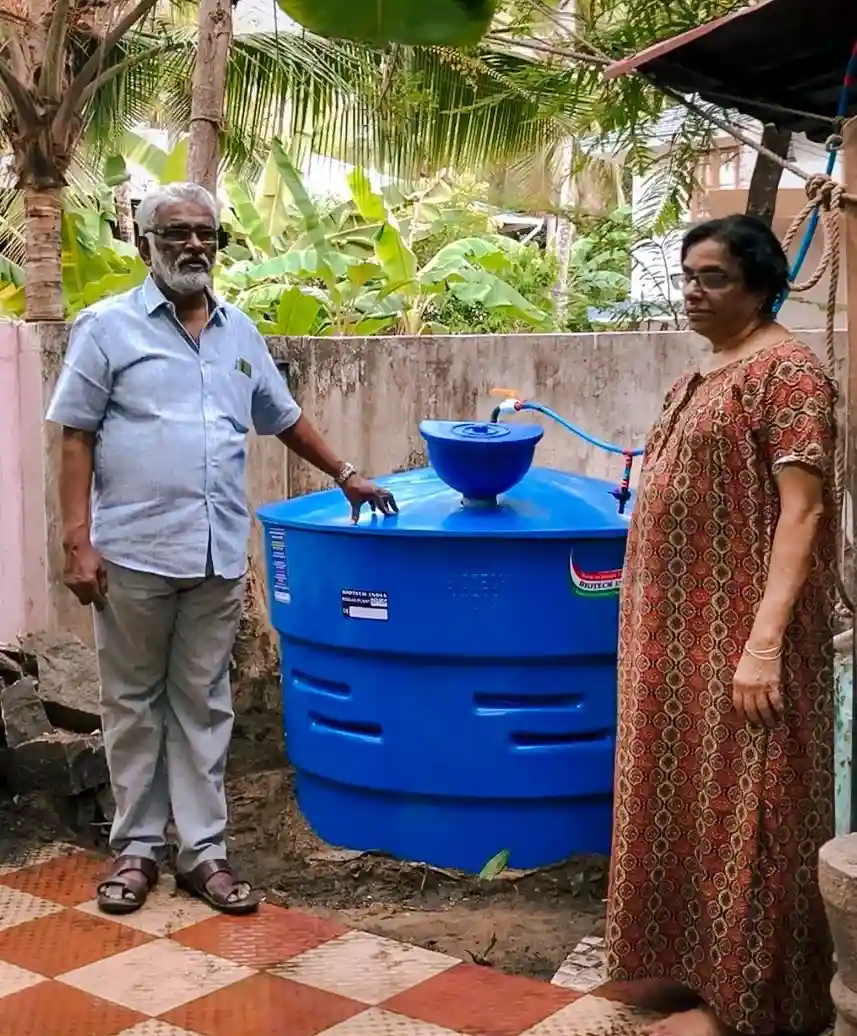
The technology is intended to make biogas more convenient for suitable household and commercial applications, particularly where organic waste is generated regularly.
For restaurants and food-service establishments, the concept has special relevance. Large quantities of kitchen and food waste can be generated every day. When properly segregated and processed, this material can become feedstock for biogas production.
BIOTECH INDIA has promoted the use of its Turbo systems in women-run restaurants and has also proposed broader deployment through programmes involving entrepreneurship, technology transfer, and renewable-energy promotion.
Such initiatives connect three important objectives:
Waste management + Renewable energy + Livelihood opportunities
World Cleanup Day is not only an environmental campaign. It can also become a platform for community participation.
Biogas projects can create opportunities for local entrepreneurs, technicians, service providers, fabricators, operators, and trainers.
BIOTECH INDIA has promoted training and capacity-building initiatives related to biogas technology and plant servicing. Developing local technical skills is particularly important because the long-term success of a biogas project depends not only on installation but also on proper operation and maintenance.
Women-run restaurants and small food businesses can also benefit from technologies that help manage their organic waste while potentially reducing dependence on conventional cooking fuels.
In this way, a waste-management initiative can become part of a broader sustainable-development programme.
The traditional model of consumption is often described as:
Take → Make → Use → Throw Away
The circular economy aims to change this model by keeping materials and resources in productive use for as long as possible.
Biogas fits naturally into this concept.
Food is produced, consumed, and the resulting organic leftovers are processed through anaerobic digestion. The process produces biogas for energy and digestate that can potentially return nutrients to agriculture.
The cycle becomes:
Food → Organic waste → Biogas → Energy → Digestate → Soil → Food
This is more than waste disposal. It is resource recovery.
For BIOTECH INDIA, promoting biogas technology is therefore closely connected with its broader work in sustainable development, renewable energy, organic waste management, circular economy, climate action, and environmental protection.
A cleanup campaign should not end when the last piece of litter is removed.
The real success of World Cleanup Day should be measured by what happens afterward.
⇒ Do we continue segregating our waste?
⇒ Do we reduce unnecessary consumption?
⇒ Do we compost or digest suitable organic waste?
⇒ Do we recycle materials?
⇒ Do we prevent food waste?
⇒ Do we encourage institutions and businesses to adopt responsible waste-management systems?
These are the questions that can transform a one-day campaign into a long-term environmental movement.
Biogas can become one part of that movement.
This World Cleanup Day, individuals, institutions, businesses, local communities, environmental organizations, and governments can work together to create a new culture of waste management.
⇒ Segregate waste at the source.
⇒ Reduce what we throw away.
⇒ Recover resources whenever possible.
⇒ Convert suitable organic waste into biogas.
⇒ Return nutrients to the soil through appropriate organic manure management.
And most importantly, educate the next generation that waste is not simply something to be hidden or transported somewhere else.
It can be a resource when managed scientifically.
BIOTECH INDIA's long experience in biogas technology demonstrates the importance of combining innovation, awareness, training, community participation, and practical implementation.
World Cleanup Day gives us an opportunity to clean our surroundings. Biogas technology gives us an opportunity to rethink what happens to our organic waste afterward.
The future of waste management cannot depend only on collecting more waste. It must focus on creating less waste, segregating it properly, recovering resources, generating renewable energy, and building decentralized solutions.
World Cleanup Day is a reminder that environmental protection begins with individual responsibility but succeeds through collective action.
Every kitchen, restaurant, market, institution, and community can become part of the solution by adopting responsible organic-waste management practices.
Biogas plants offer a practical pathway for transforming suitable biodegradable waste into renewable energy and valuable organic by-products.
Through its decades of experience, technology development, awareness programmes, training activities, and decentralized biogas initiatives, BIOTECH INDIA continues to promote the vision of turning waste into a resource.
This World Cleanup Day, let us move beyond the idea of simply cleaning our surroundings.
Let us build a future where organic waste becomes energy, waste management becomes resource management, and every community becomes a partner in protecting our planet.
Clean today. Convert tomorrow. Create a greener future for generations to come.
Telephone: +91-471-2331909, 2321909, 2332179
E-mail: mailtobiotech@gmail.com


Ernakulam (Cochin)
Telephone: +91-484-4858695
E-mail: mailtobiotech@gmail.com

Kozhikode (Calicut)
Mob : +91-9446-000-962
E-mail: mailtobiotech@gmail.com

Telangana
Telephone: +91 40 29330078 , +919446000968
E-mail: gtp.nird@gmail.com



All rights are reserved. Biotech Renewable Energy Pvt. Ltd.