
 |
|
|
|
|




















By Dr. A. Sajidas,
Founder and Managing Director of
BIOTECH INDIA Renewable Energy
& International Consultant – Biogas, Organic Waste Management
& Sustainable Development
The International Day of Forests, observed annually on March 21, serves as a global reminder of the indispensable role forests play in sustaining life on Earth. Forests are not only biodiversity hotspots but also vital for climate regulation, soil conservation, and livelihoods. However, increasing demand for fuel-especially cooking energy-has placed immense pressure on forest resources.
In this context, biogas technology emerges as a powerful, practical, and scalable solution. By converting organic waste into clean energy and organic manure, biogas plants directly contribute to forest conservation, energy security, and environmental sustainability. At the same time, organizations like BIOTECH INDIA are playing a crucial role in promoting decentralized biogas systems across households and institutions.
This blog explores the interconnected role of biogas plants in forest conservation, their relevance in the present LPG crisis, and the contributions of BIOTECH INDIA in advancing this sustainable movement.
One of the major drivers of deforestation, especially in developing countries like India, is the dependence on firewood and traditional biomass for cooking. Even today, a significant portion of the population relies on forest resources for daily energy needs.


Recent estimates indicate that over 85 million tonnes of fuelwood are extracted annually from forests in India, highlighting the scale of pressure on forest ecosystems. This unsustainable extraction leads to deforestation, biodiversity loss, and increased carbon emissions.
Reducing this dependency is essential for protecting forests—and this is where biogas plants play a transformative role.
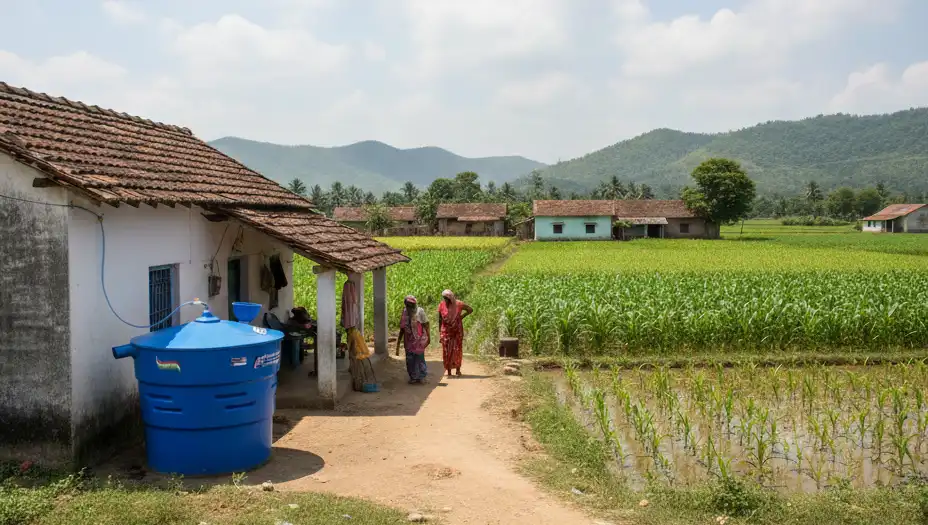
Biogas is produced through the anaerobic digestion of organic waste such as kitchen scraps, agricultural residues, and animal dung. The resulting gas-rich in methane-can be used as a clean cooking fuel, similar to LPG.
Biogas plants offer multiple environmental and social benefits:
↪ Reduction in deforestation: By replacing firewood, biogas directly reduces tree cutting.
↪ Lower greenhouse gas emissions: Captures methane that would otherwise be released into the atmosphere.
↪ Waste management: Converts organic waste into valuable energy.
↪ Organic manure production: Enhances soil fertility without chemicals.
Thus, promoting biogas is not just an energy solution-it is a forest conservation strategy aligned with the spirit of International Forest Day.
Biogas plants perfectly embody the concept of a circular economy. Waste materials that would otherwise pollute the environment are converted into:
↪ Biogas (energy)
↪ Bio-slurry (organic fertilizer)
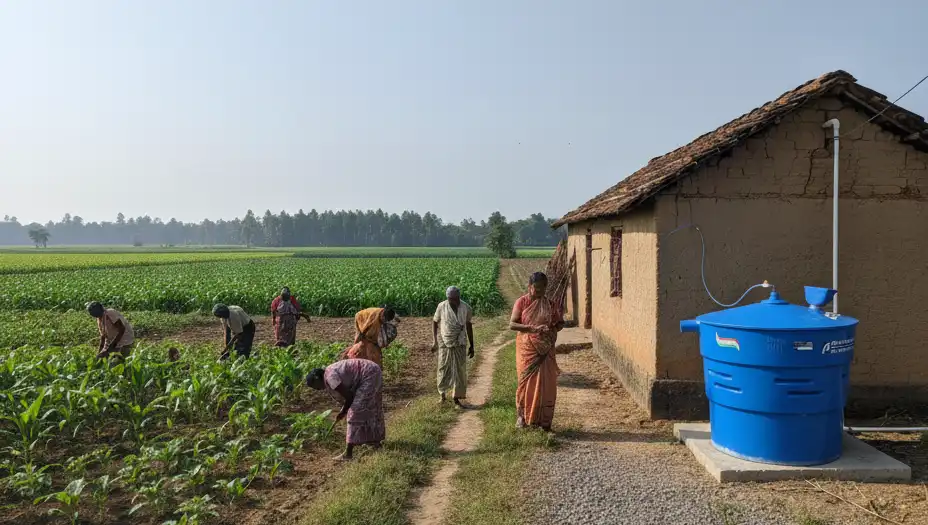
This reduces dependence on chemical fertilizers while improving soil health and agricultural productivity. India alone has the potential to generate hundreds of millions of tonnes of organic manure through biogas systems.
By integrating waste management, energy production, and agriculture, biogas plants create a sustainable ecosystem that reduces environmental stress on forests and farmlands alike.
Understanding the LPG Crisis
India’s growing dependence on LPG (Liquefied Petroleum Gas) has created vulnerabilities due to:
↪ Heavy reliance on imports
↪ Global price fluctuations
↪ Supply chain disruptions
Recent developments highlight the fragility of LPG supply systems, with disruptions affecting households and commercial sectors.
Understanding the LPG Crisis
Biogas offers a decentralized and locally produced alternative to LPG:
↪ Energy independence: Produced from locally available waste
↪ Cost-effective: Reduces recurring fuel expenses
↪ Resilient: Not affected by global fuel markets
Institutional Impact
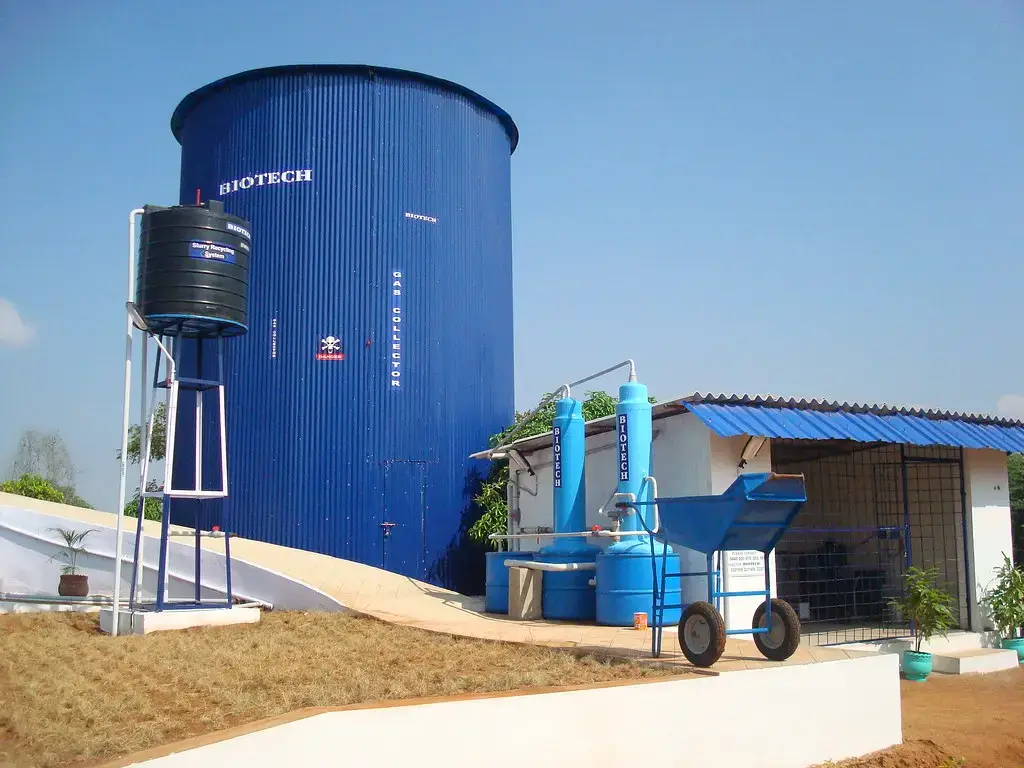
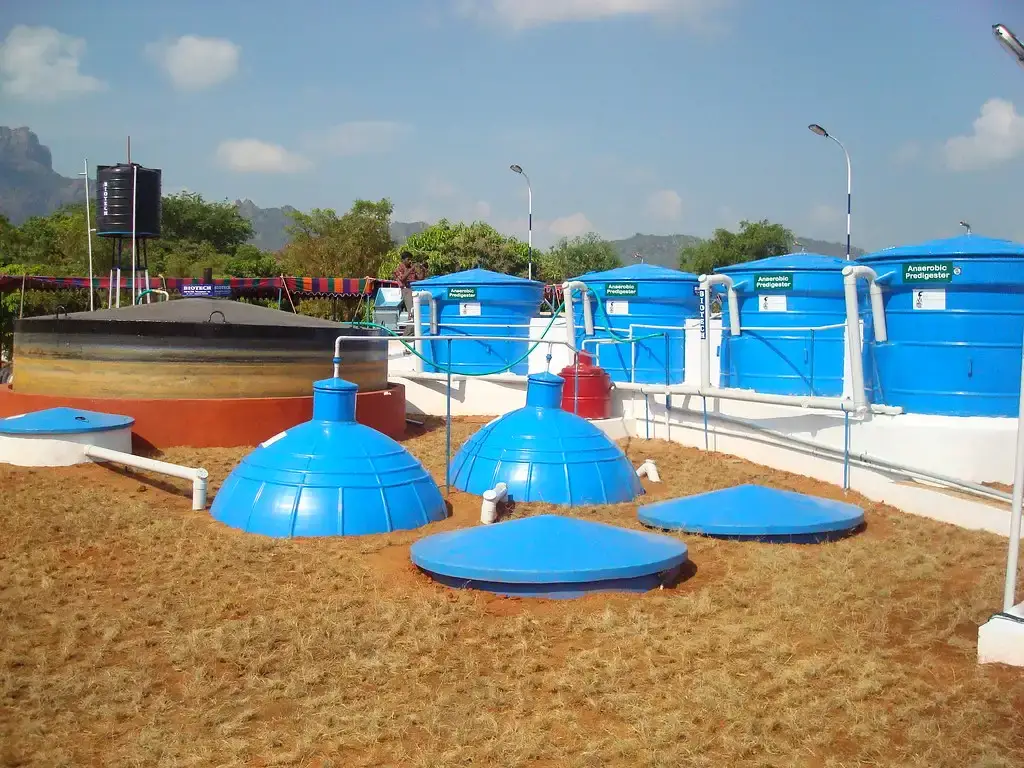
Hotels, hostels, schools, and restaurants-highly dependent on LPG-are particularly vulnerable to supply disruptions. Biogas plants provide:
↪ Continuous fuel supply
↪ Lower operational costs
↪ Sustainable waste management
This makes biogas an ideal solution for institutions aiming for energy security and sustainability.
BIOTECH INDIA has emerged as a key player in promoting biogas technology across India and beyond. With a strong focus on innovation, sustainability, and practical implementation, the organization has contributed significantly to the widespread adoption of biogas systems.
1. Development of Prefabricated Biogas Plants
BIOTECH INDIA has designed compact, durable, and portable biogas digesters suitable for:
⬥ Households
⬥ Villas and apartments
⬥ Schools and institutions
⬥ Hotels and commercial establishments
These prefabricated systems are easy to install, cost-effective, and user-friendly, making biogas accessible to a wider population.
2. Promotion of Decentralized Waste Management
The organization emphasizes “waste to energy at source”, reducing the burden on municipal waste systems while promoting clean energy generation.
3. Awareness and Capacity Building
Through workshops, training programs, and awareness campaigns, BIOTECH INDIA educates:
⬥ Students
⬥ Entrepreneurs
⬥ Farmers
⬥ Institutions
This helps build a culture of sustainability and environmental responsibility.
4. International Collaboration
As an international biogas consultant, BIOTECH INDIA has extended its expertise to global platforms, supporting renewable energy adoption in multiple countries.
5. Supporting Circular Economy and Net-Zero Goals
BIOTECH INDIA's projects align with global sustainability goals by:
⬥ Reducing carbon emissions
⬥ Promoting organic farming
⬥ Supporting climate change mitigation
Biogas technology contributes significantly to climate action:
↪ Reduces methane emissions from organic waste
↪ Cuts carbon dioxide emissions by replacing fossil fuels
↪ Promotes carbon-neutral energy systems
Beyond environmental benefits, biogas plants offer strong socio-economic advantages:
⬥ Employment generation in rural areas
⬥ Income opportunities through bio-manure sales
⬥ Improved health by reducing indoor air pollution
⬥ Empowerment of women by reducing fuel collection burden
To fully realize the potential of biogas, the following steps are essential:
↪ Policy support and incentives
↪ Increased awareness and training
↪ Technological innovation
↪ Public-private partnerships
↪ Integration with waste management systems
Organizations like BIOTECH INDIA will continue to play a critical role in scaling up adoption and driving innovation in this sector.
On this International Day of Forests, it is important to recognize that forest conservation is deeply connected to how we produce and consume energy. Biogas plants offer a practical, scalable, and sustainable solution that addresses multiple challenges-deforestation, waste management, energy security, and climate change.
At the same time, the ongoing LPG crisis highlights the urgent need for alternative energy sources. Biogas stands out as a resilient and locally available solution that can reduce dependence on imported fuels.
With organizations like BIOTECH INDIA leading the way, the vision of decentralized, clean energy for every home and institution is becoming a reality.
"Protecting forests is not just about planting trees-it is about transforming the way we live, consume, and produce energy. Biogas is one such transformation that brings us closer to a sustainable future."
Telephone: +91-471-2331909, 2321909, 2332179
E-mail: mailtobiotech@gmail.com


Ernakulam (Cochin)
Telephone: +91-484-4858695
E-mail: mailtobiotech@gmail.com

Kozhikode (Calicut)
Mob : +91-9446-000-962
E-mail: mailtobiotech@gmail.com

Telangana
Telephone: +91 40 29330078 , +919446000968
E-mail: gtp.nird@gmail.com



All rights are reserved. Biotech Renewable Energy Pvt. Ltd.