
 |
|
|
|
|




















By Dr. A. Sajidas,
Founder and Managing Director of
BIOTECH INDIA Renewable Energy
& International Consultant – Biogas, Organic Waste Management
& Sustainable Development
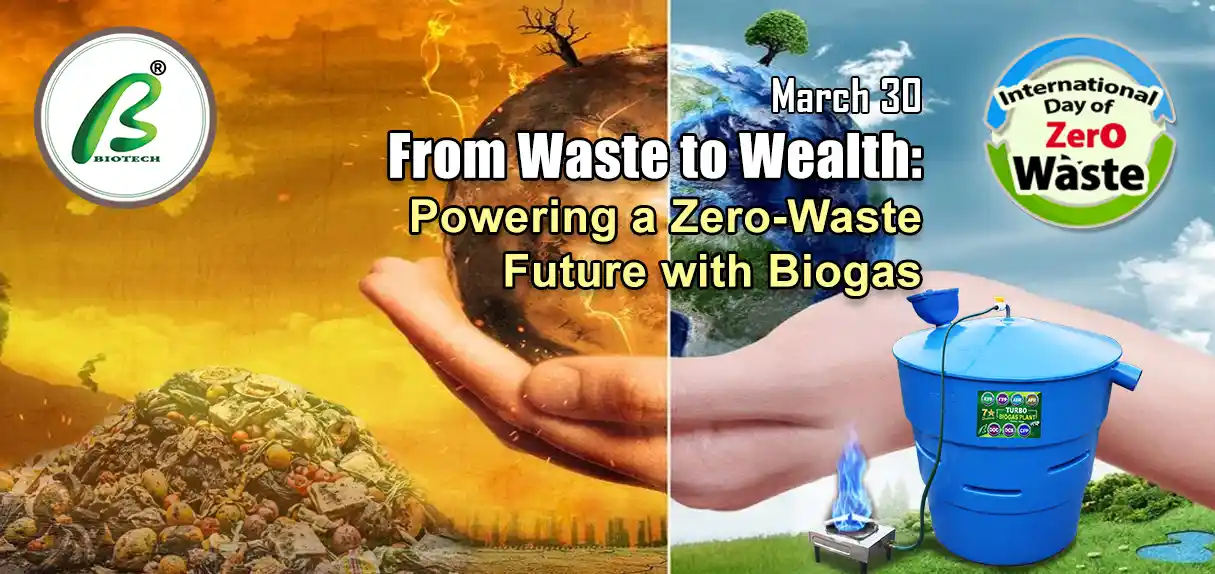
As the world observes the International Day of Zero Waste, the message is clear—waste is not a burden; it is a resource waiting to be transformed. In a time when cities are struggling with overflowing landfills and households are facing increasing LPG prices and supply uncertainties, the need for practical, scalable, and sustainable solutions has never been more urgent. One such solution, proven across the world and increasingly gaining relevance in India, is biogas technology.
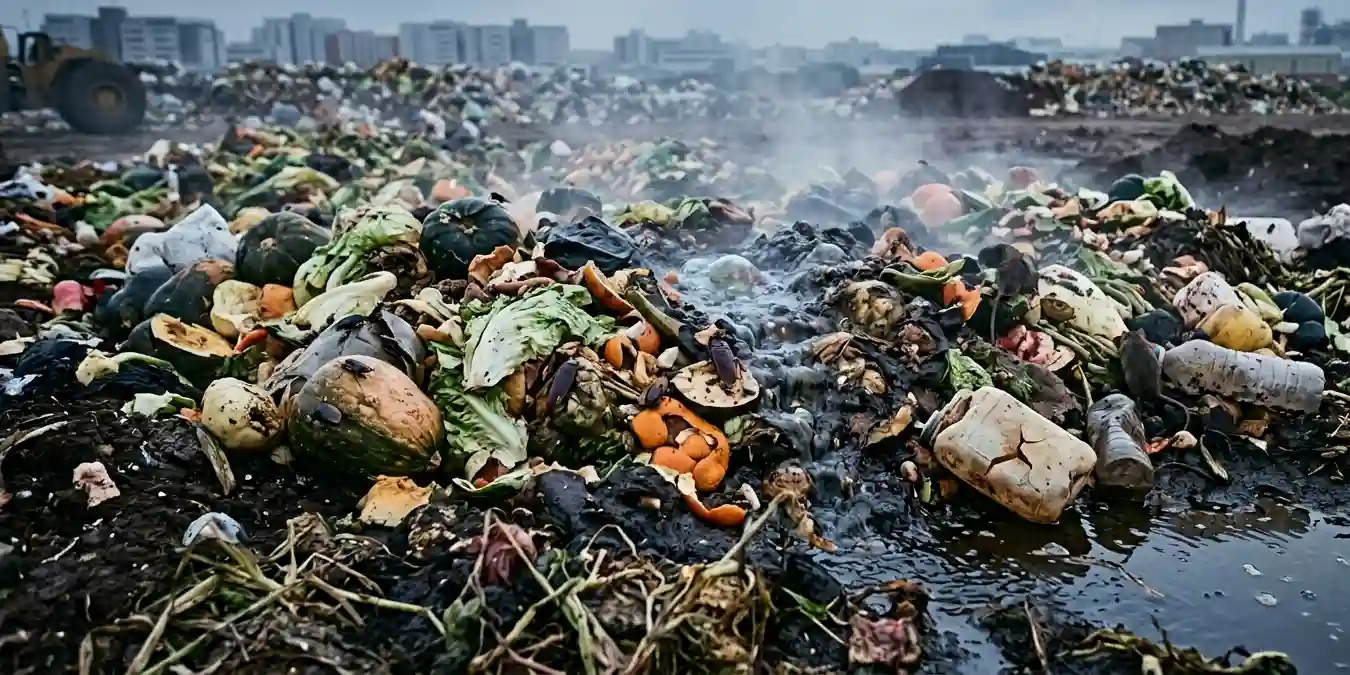
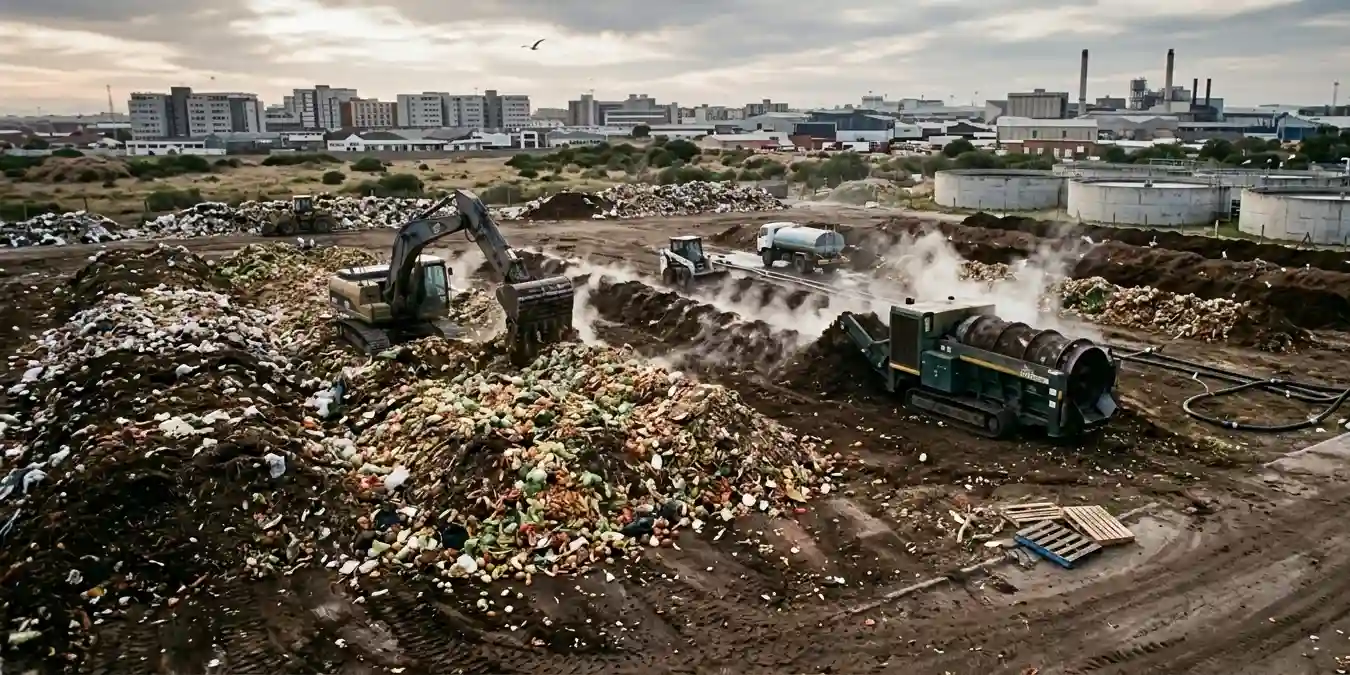
Every day, households, restaurants, hotels, and institutions generate enormous quantities of organic waste. Food scraps, vegetable peels, and leftover meals often end up in landfills or are dumped in open spaces. This unmanaged waste decomposes and releases methane—a greenhouse gas significantly more harmful than carbon dioxide. It also leads to foul odors, attracts pests, and contaminates soil and water resources.
At the same time, the dependence on conventional fuels such as LPG continues to grow. Price fluctuations, supply disruptions, and the environmental impact of fossil fuels make it necessary to explore alternative energy solutions. This is where the concept of zero waste intersects with renewable energy—and where biogas plants offer a powerful answer.
Biogas technology is based on Anaerobic Digestion, a natural process in which microorganisms break down organic matter in the absence of oxygen. Through this process, organic waste is converted into biogas—a clean, renewable fuel primarily composed of methane—and a nutrient-rich slurry that can be used as organic manure.
This simple yet effective process transforms everyday kitchen waste into two valuable outputs: cooking gas and fertilizer. What was once considered a disposal problem becomes a source of energy and agricultural input. This dual benefit makes biogas one of the most efficient waste-to-energy solutions available today.
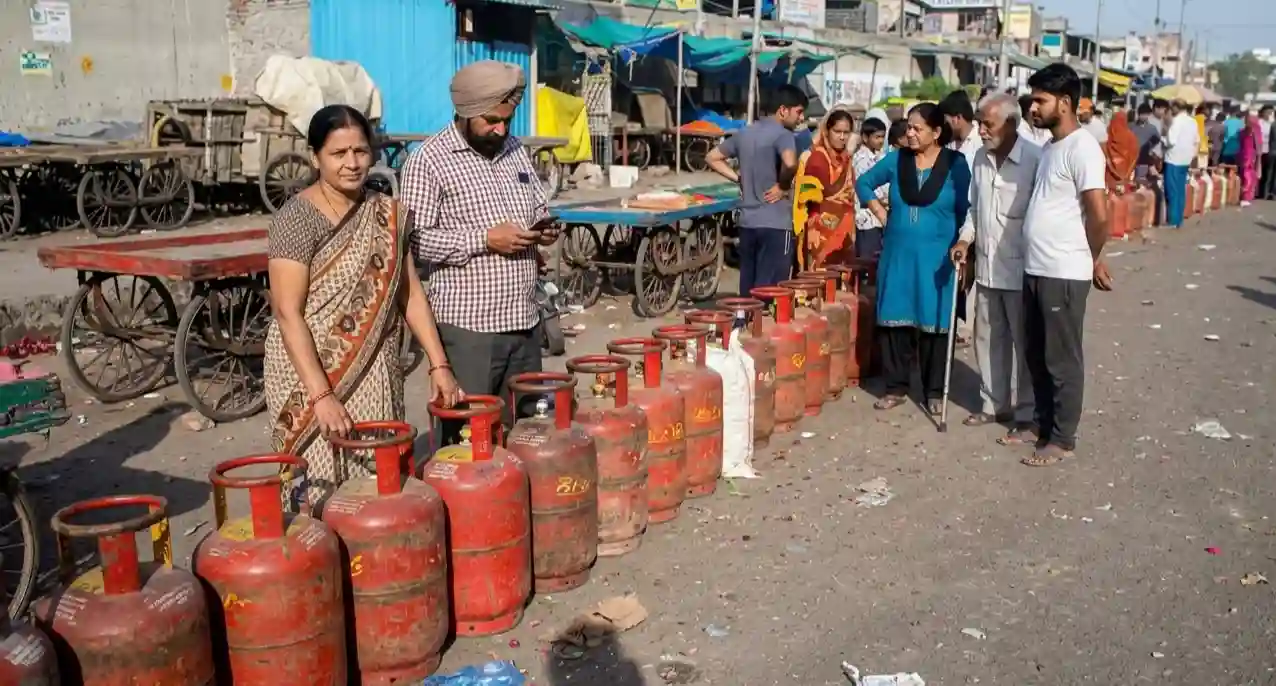
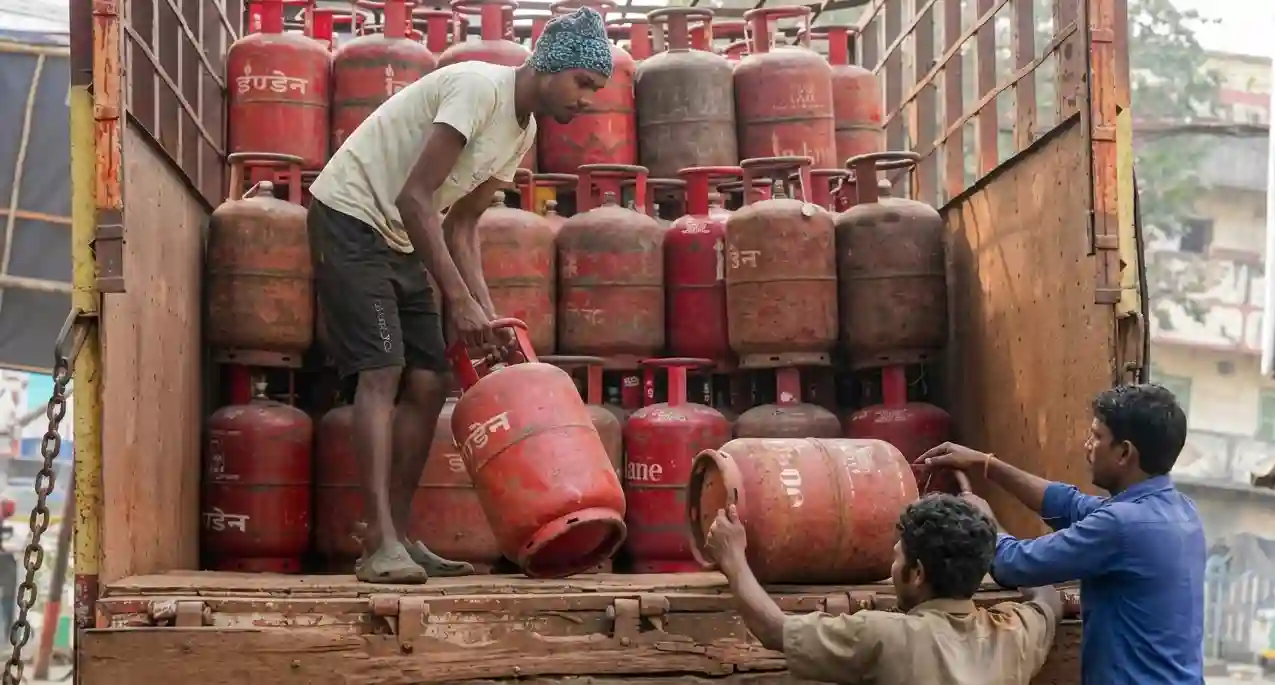
One of the most immediate benefits of biogas plants is their ability
to provide a reliable and decentralized source of cooking fuel. In
many parts of the world, including India, households face challenges
related to LPG availability and rising costs. Biogas offers a
sustainable alternative by enabling users to produce their own fuel
using the waste they generate daily.
This not only reduces dependence on external fuel supplies but also
ensures energy security at the household and community levels. Imagine
a system where your daily cooking fuel is generated from your own
kitchen waste—this is not a future concept; it is a present-day
reality made possible by biogas technology.
Biogas plants play a crucial role in reducing environmental pollution
and mitigating climate change. Organic waste in landfills releases
methane directly into the atmosphere. By capturing this methane
through controlled digestion and using it as fuel, biogas systems
significantly reduce greenhouse gas emissions.
Moreover, biogas reduces the need for firewood and fossil fuels,
helping to conserve forests and reduce carbon footprints. The use of
organic manure produced from biogas plants also reduces dependence on
chemical fertilizers, improving soil health and preventing water
pollution.
These benefits align closely with the global sustainability goals
promoted by the United Nations, particularly in the areas of climate
action, clean energy, and responsible consumption.
Biogas plants are a perfect example of a circular economy in action.
Instead of following a linear model of “use and dispose,” they create
a closed-loop system where waste is continuously converted into
valuable resources.
⬥ Waste becomes energy
⬥ By-products become fertilizer
⬥ Resources are reused within the system
This approach not only minimizes waste but also maximizes resource
efficiency. It transforms waste management from a cost center into a
value-generating process.
The versatility of biogas technology allows it to be implemented
across various sectors:
⬥ Households: Small-scale biogas plants can handle daily kitchen waste
and provide cooking gas for families.
⬥ Institutions: Schools, hostels, hospitals, and community kitchens can
manage large volumes of organic waste while reducing fuel costs.
⬥ Hospitality Sector: Hotels and restaurants generate significant food
waste, making them ideal candidates for biogas installations.
⬥ Agriculture: Farms can use animal waste and crop residues to produce
energy and organic manure.
This wide applicability makes biogas a scalable and inclusive solution
for both urban and rural environments.
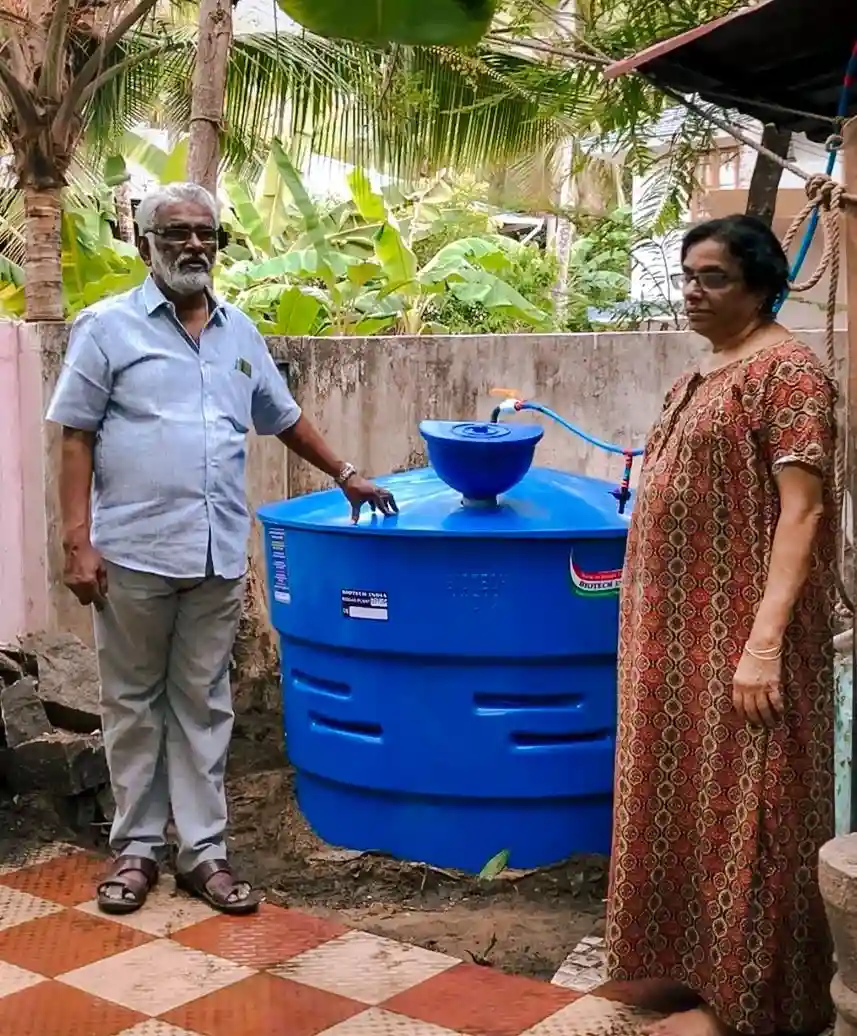
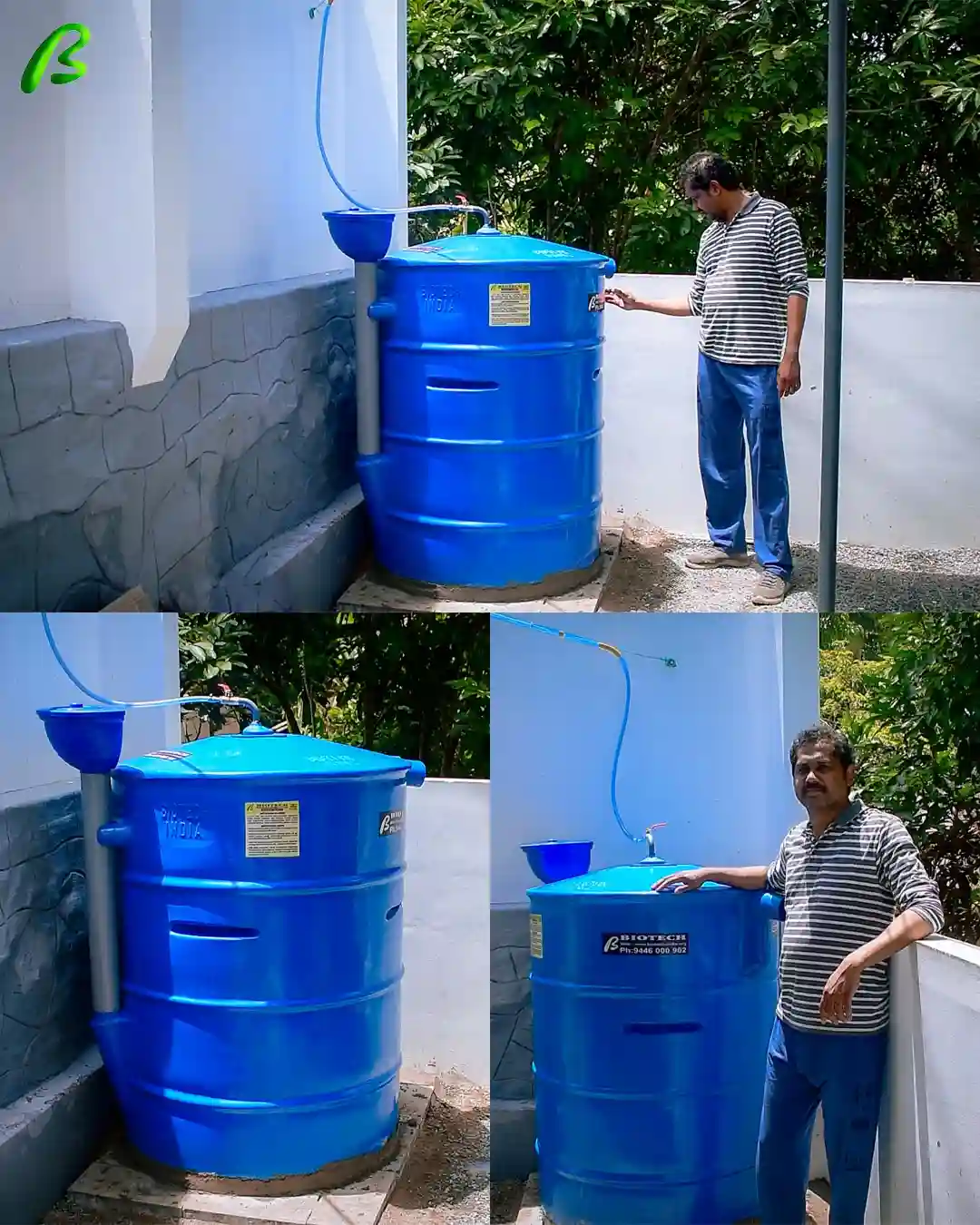
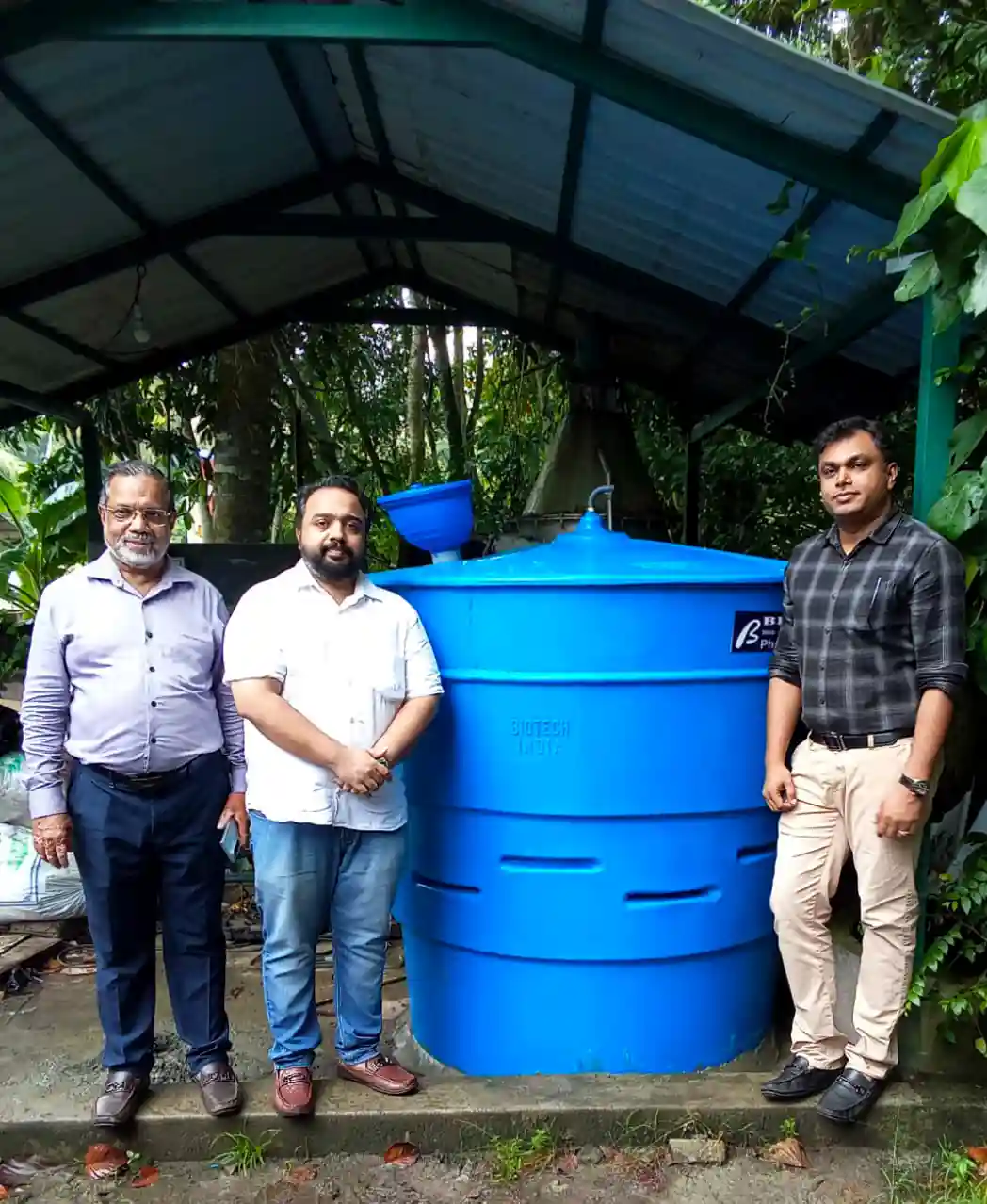
In the journey toward a sustainable and net-zero future, BIOTECH INDIA
has been playing a pioneering role. With a strong focus on innovation,
accessibility, and practical implementation, the organization has been
instrumental in promoting biogas technology as a mainstream solution
for waste management and clean energy generation.
BIOTECH INDIA has developed prefabricated and portable biogas plants
that are easy to install, user-friendly, and suitable for diverse
applications. These systems are designed to operate efficiently in
both urban and rural settings, making biogas accessible to a wide
range of users.
Through the installation of thousands of biogas plants across
households, institutions, and commercial establishments, BIOTECH INDIA
has significantly contributed to reducing organic waste and generating
renewable energy. Each installation represents a step toward reducing
carbon emissions, minimizing landfill waste, and promoting sustainable
living.
Beyond technology deployment, BIOTECH INDIA actively engages in
awareness programs, training, and capacity building. By educating
communities about the benefits of biogas and sustainable waste
management, the organization is fostering a culture of environmental
responsibility.
The company’s efforts align with the broader goal of achieving
net-zero emissions by reducing reliance on fossil fuels and promoting
decentralized renewable energy systems. By turning waste into energy
at the source, BIOTECH INDIA is helping communities transition toward
self-reliance and sustainability.
Achieving zero waste is not just about managing waste—it is about
rethinking our relationship with resources. It requires a shift in
mindset, behavior, and systems. Biogas plants play a crucial role in
this transformation by providing a practical and scalable solution
that individuals and communities can adopt easily.
The journey begins with simple steps: segregating waste, utilizing
organic residues, and adopting technologies that enable resource
recovery. When combined with awareness and collective action, these
steps can lead to significant environmental and economic benefits.
The vision of a zero-waste world is not a distant dream—it is an
achievable reality. Each of us has the power to contribute by making
conscious choices and adopting sustainable practices. Biogas
technology offers a unique opportunity to address multiple challenges
simultaneously—waste management, energy generation, and environmental
protection.
On this International Day of Zero Waste, let us move beyond awareness
and take action. Let us transform our kitchens into energy hubs, our
waste into wealth, and our communities into models of sustainability.
Act now—embrace biogas, support initiatives like BIOTECH INDIA, reduce
LPG dependence, and lead the movement toward a zero-waste, net-zero,
and sustainable future!
Telephone: +91-471-2331909, 2321909, 2332179
E-mail: mailtobiotech@gmail.com


Ernakulam (Cochin)
Telephone: +91-484-4858695
E-mail: mailtobiotech@gmail.com

Kozhikode (Calicut)
Mob : +91-9446-000-962
E-mail: mailtobiotech@gmail.com

Telangana
Telephone: +91 40 29330078 , +919446000968
E-mail: gtp.nird@gmail.com



All rights are reserved. Biotech Renewable Energy Pvt. Ltd.